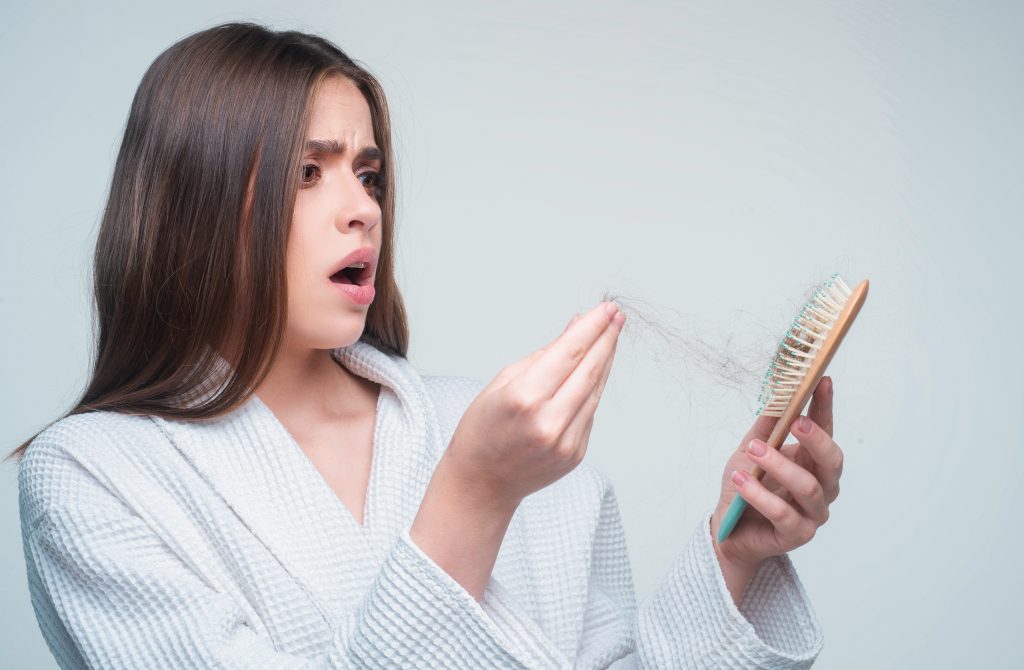


Hair Loss Treatment for Women in Dubai
Complex, deeply personal and far more common than most women know. Almost always multi-factorial and almost always misdiagnosed as stress.
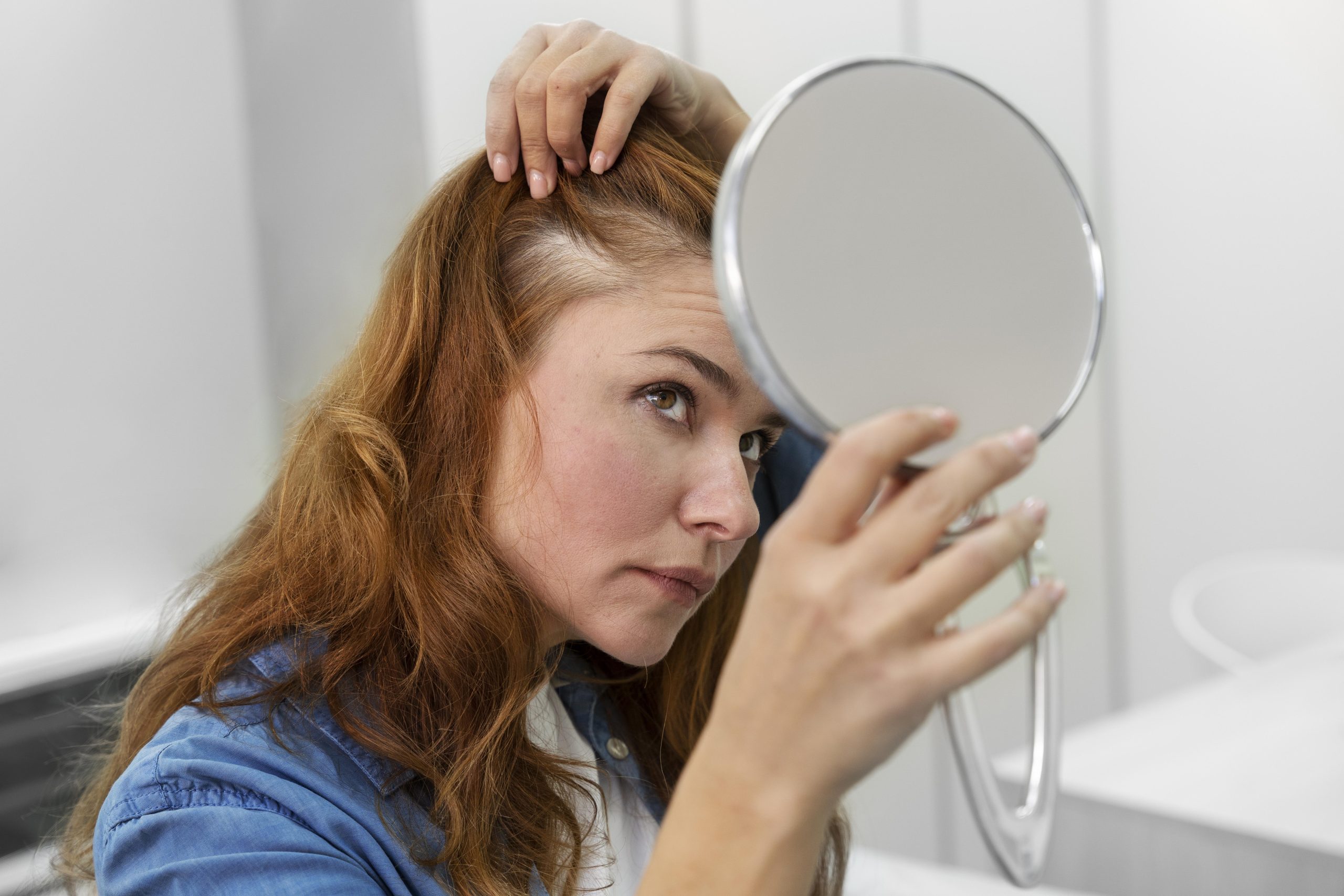
What causes hair loss in women?
Hair loss in women can be caused by several factors, including female pattern hair loss, hormonal changes, increased shedding such as telogen effluvium, nutritional deficiencies, thyroid-related conditions, postpartum changes, autoimmune conditions, medications and scalp disorders. More than one factor can sometimes be involved, which is why proper assessment is important before choosing treatment.
Because women's hair loss rarely presents as the clean, patterned recession seen in men, it can be harder to detect and easier to dismiss both by patients and by clinicians unfamiliar with trichology. Women typically experience diffuse thinning across the scalp, increased hair shedding, or a gradual reduction in hair density and shaft diameter. Hair may feel finer, take longer to grow, or simply seem "less" than it once was. These changes are real, they are progressive if untreated, and they deserve a serious clinical response.
"Among the most common contributors to female hair loss are iron deficiency, thyroid imbalance, PCOS, the hormonal fluctuations of perimenopause and postpartum, and chronic stress-related telogen effluvium."
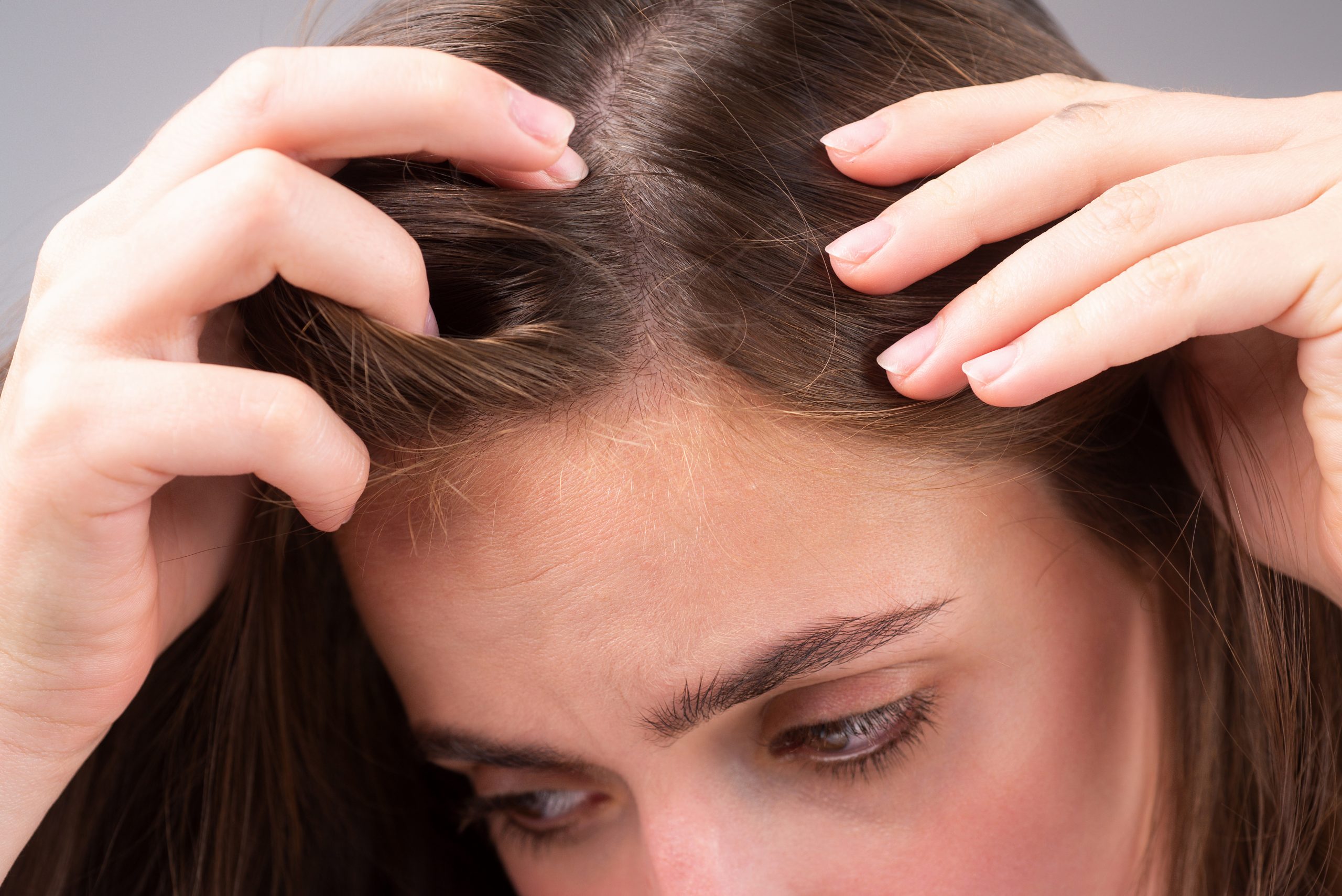
Female pattern hair loss also known as androgenetic alopecia in women is also far more common than generally recognised. A comprehensive trichology assessment, including bloodwork, is essential to map specific causes.
The Most Common Causes
of Female Hair Loss
Each requires a different diagnostic lens and a different treatment approach which is why an accurate clinical assessment is essential before any treatment is recommended.
The most frequently overlooked cause of female hair loss iron deficiency anaemia is extremely prevalent in Dubai and can cause significant diffuse shedding even when other markers appear normal.
Both hypo- and hyperthyroidism cause diffuse hair shedding and thinning. Thyroid dysfunction is frequently missed without a specific panel yet is one of the most treatable drivers of female hair loss.
Polycystic ovary syndrome drives androgen excess that can trigger female pattern thinning affecting the crown and parting line while the frontal hairline is typically preserved.
The hormonal shifts of perimenopause and menopause significantly reduce oestrogen's protective effect on the hair follicle accelerating miniaturisation in genetically predisposed women.
The dramatic oestrogen drop after delivery triggers mass follicular shedding 6–12 weeks postpartum typically self-limiting but often prolonged by nutritional deficiency, particularly iron.
Certain oral contraceptives, blood pressure medications, and other common prescriptions can trigger or sustain significant hair shedding often without the prescribing physician flagging the risk.
How We Diagnose
Female Hair Loss
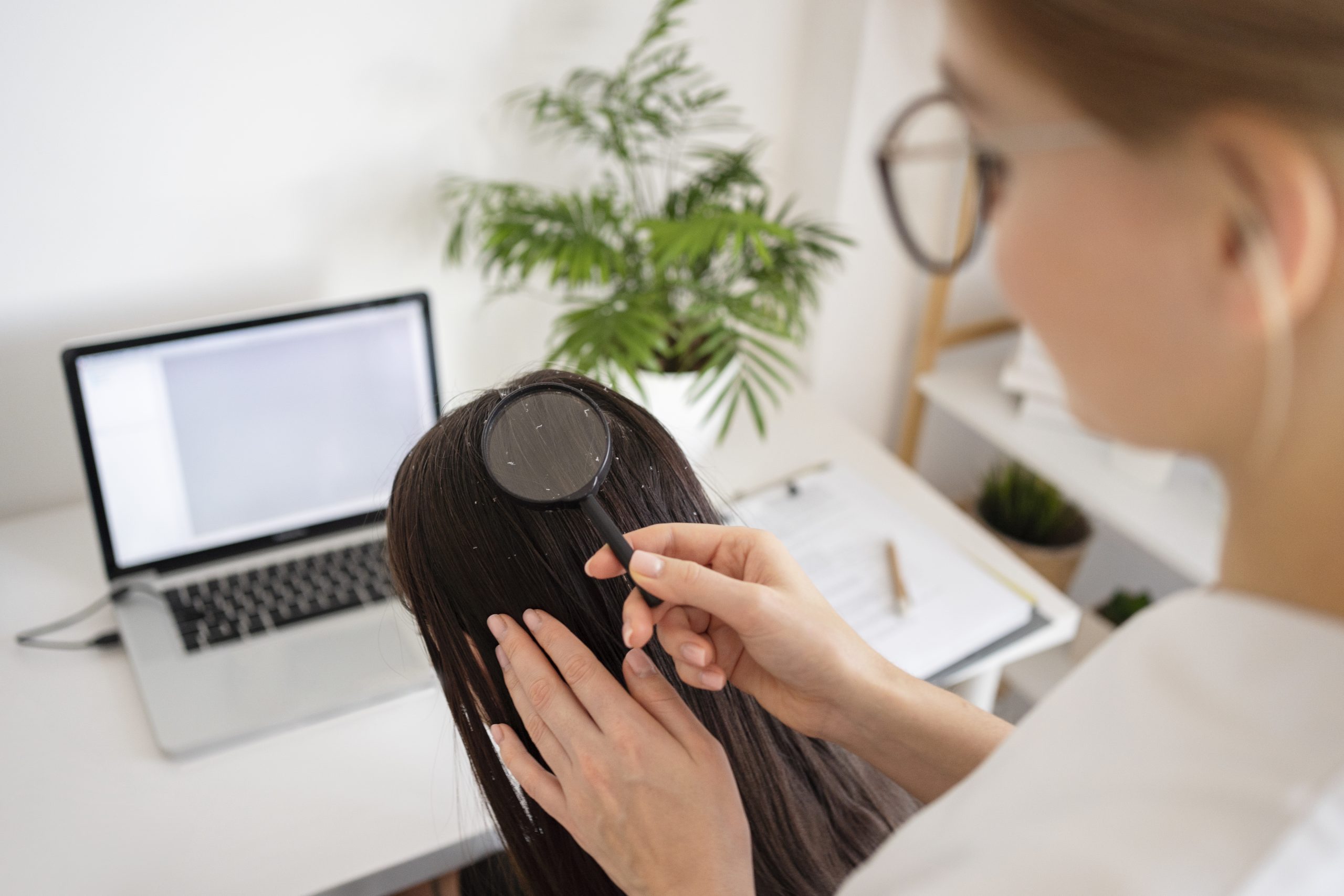
Full Trichoscopy & Scalp Assessment
High-resolution trichoscopy maps follicular density across scalp zones, assesses miniaturisation and shaft calibre, and identifies signs of inflammation or autoimmune activity. The Ludwig scale is used to classify female pattern severity and guide realistic prognosis.
- Follicular density and miniaturisation mapping
- Ludwig staging for female pattern classification
- Assessment for scalp inflammation or autoimmune markers
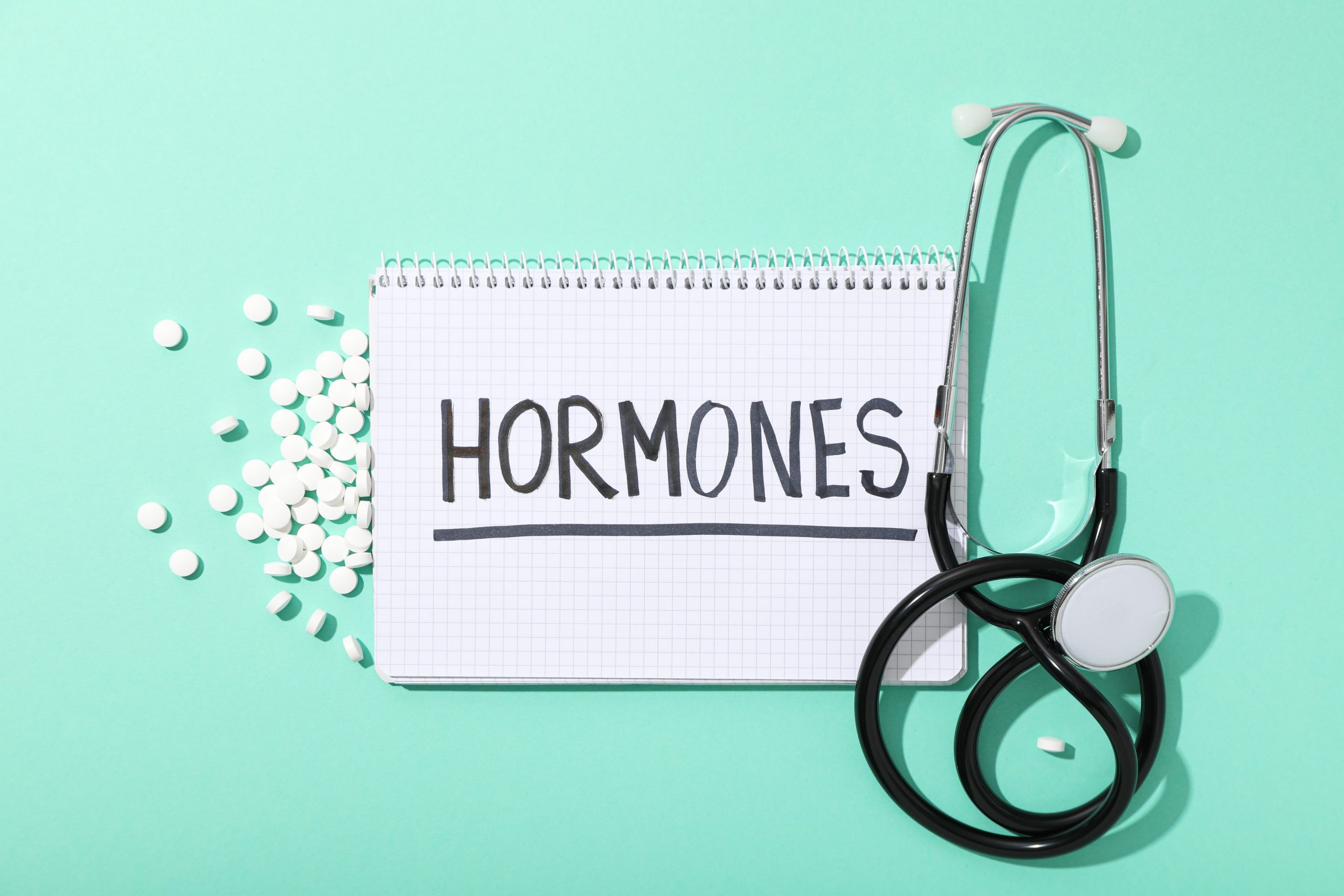
Comprehensive Medical & Hormonal History
A detailed medical and hormonal history review covering menstrual cycle changes, contraceptive history, pregnancy and postpartum timeline, thyroid symptoms, and dietary patterns. Blood panel referral covering ferritin, thyroid, androgens, and vitamin D the most clinically relevant panel for female hair loss in Dubai's population.
- Ferritin, iron studies, vitamin D, thyroid panel
- Androgens, DHEA-S, prolactin where PCOS is suspected
- Personalised multi-modal treatment protocol from diagnosis
How We Treat
Hair Loss in Women
The most effective protocols combine multiple biological approaches each targeting a different aspect of the condition.
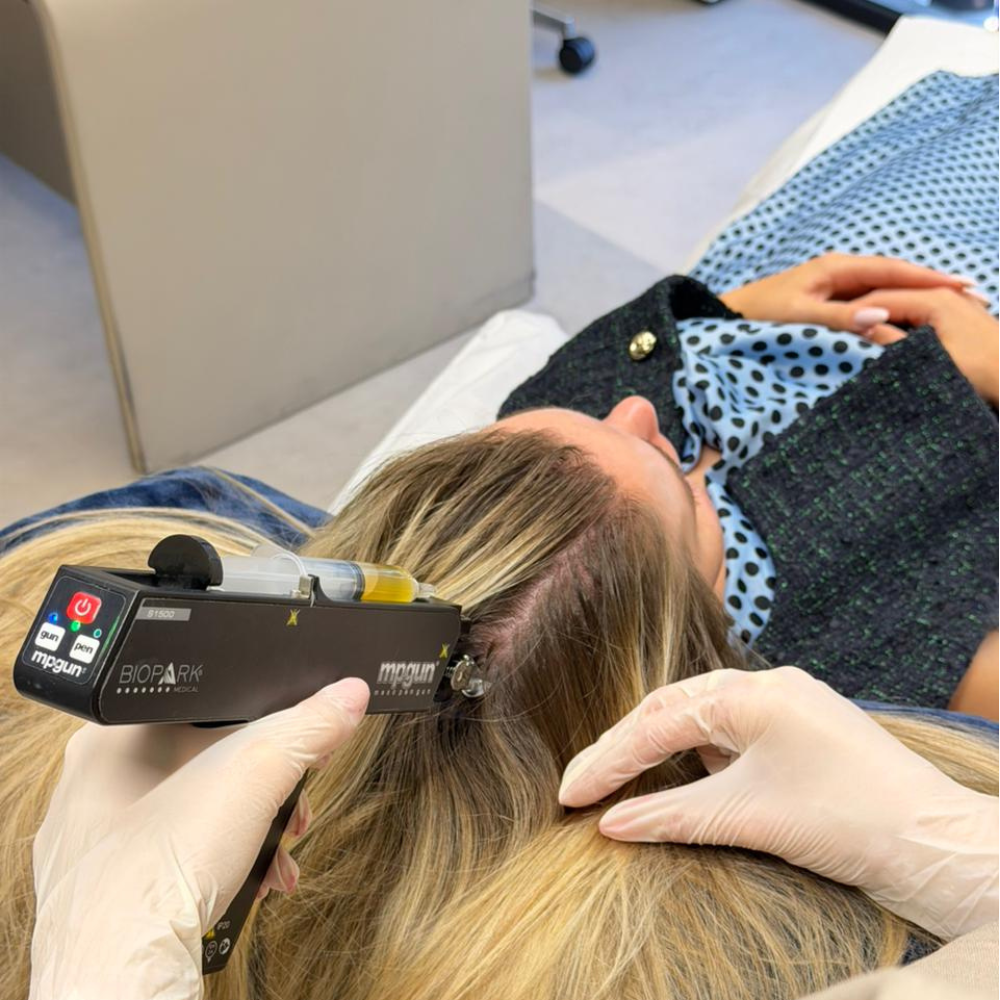 First Line
Concentrated growth factors from your own blood stimulate miniaturising follicles and improve scalp microcirculation. Most effective at early to moderate stages.
Learn More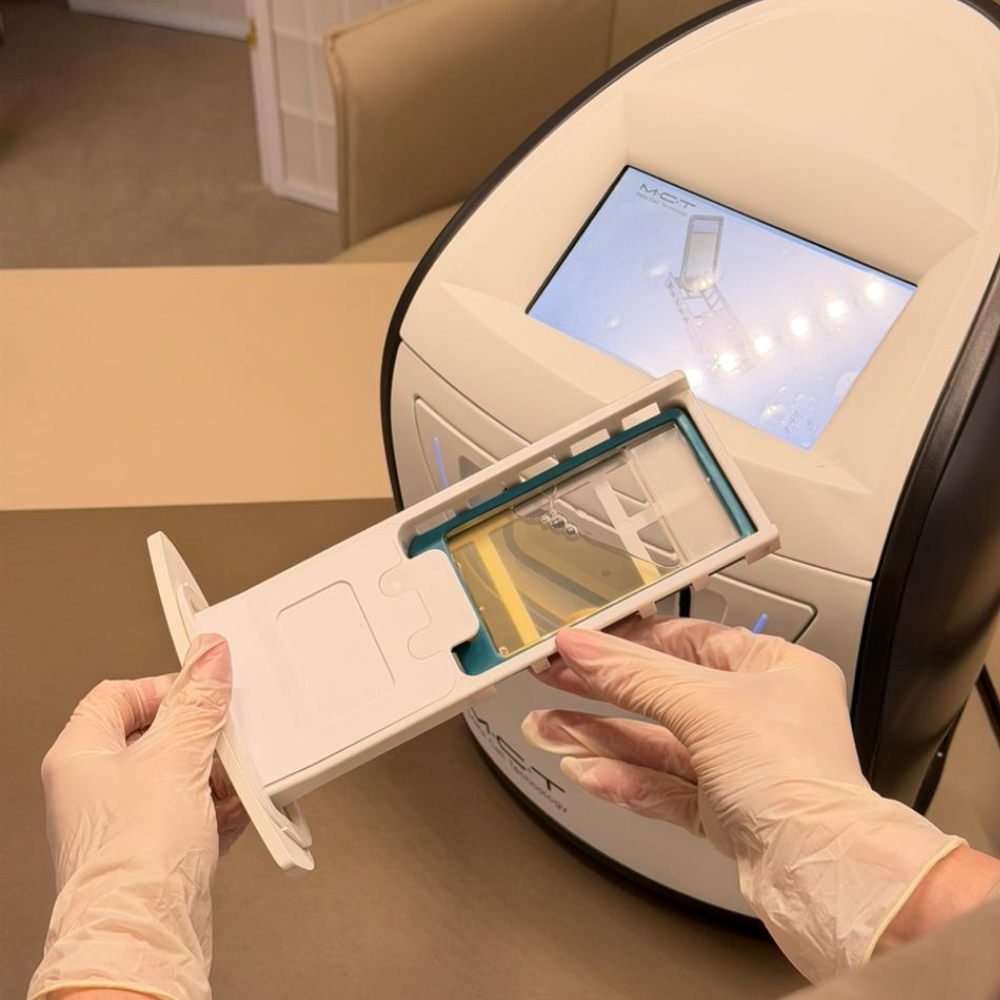 Advanced Cases
10 billion exosomes deliver targeted regenerative signals directly to follicular cells. 70–90% clinical success rate. Ideal for moderate to advanced cases or PRP non-responders.
Learn More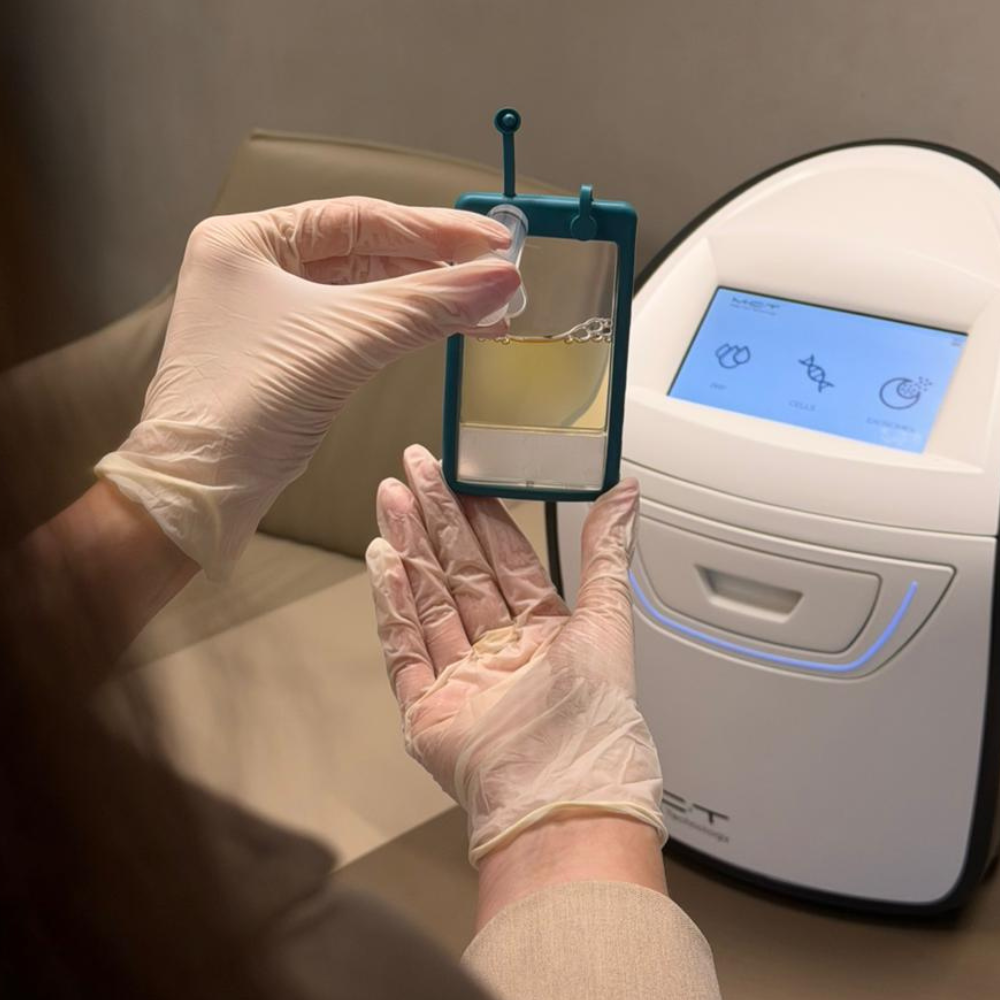 Adjunct
Bioactive peptides and growth factors delivered into the perifollicular layer nourishing miniaturising follicles and complementing PRP or exosome protocols.
Learn More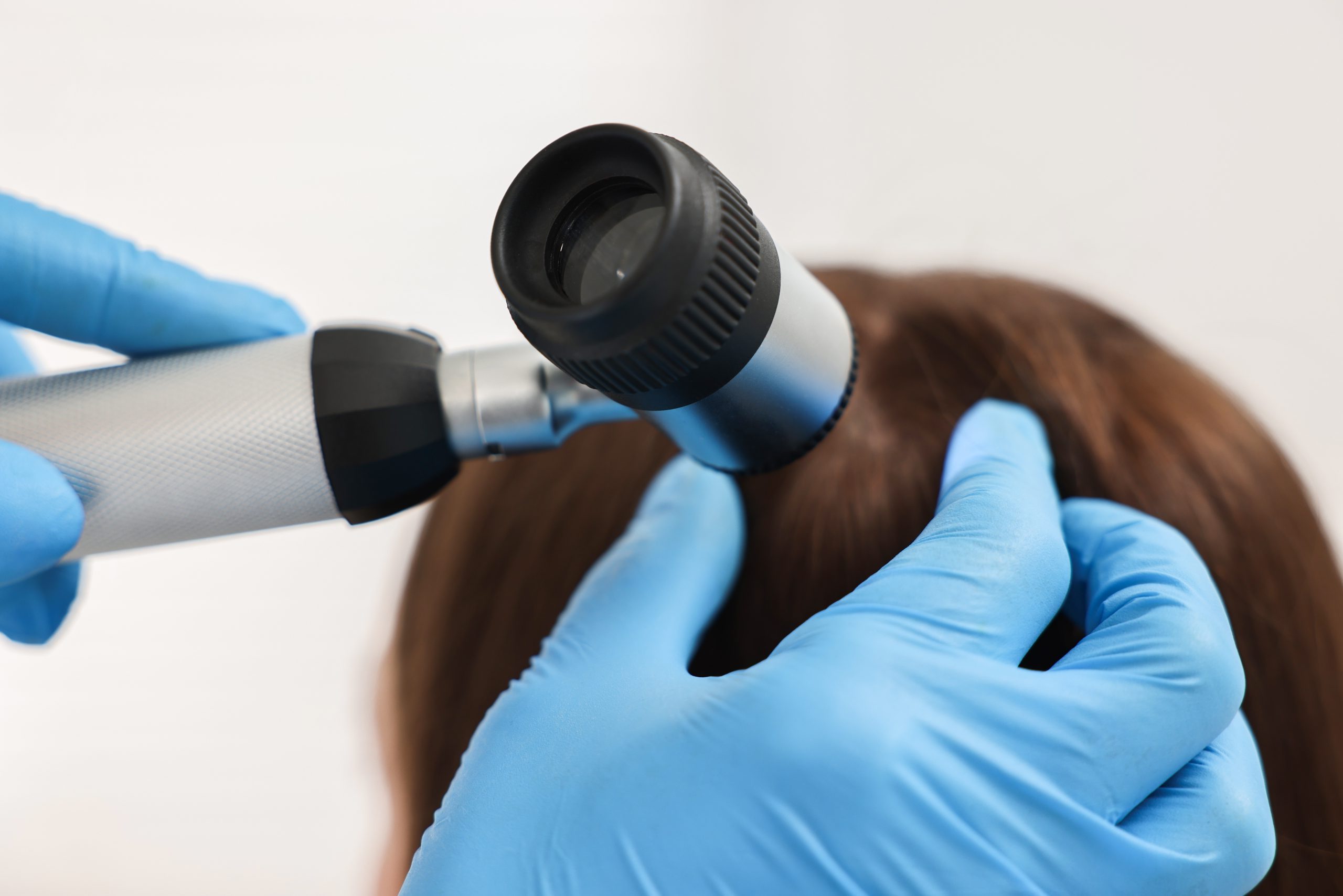 Maintenance
Photobiomodulation stimulates follicular metabolism and may reduce DHT sensitivity. Used as standalone therapy or to extend the results of injectable treatments.
Learn More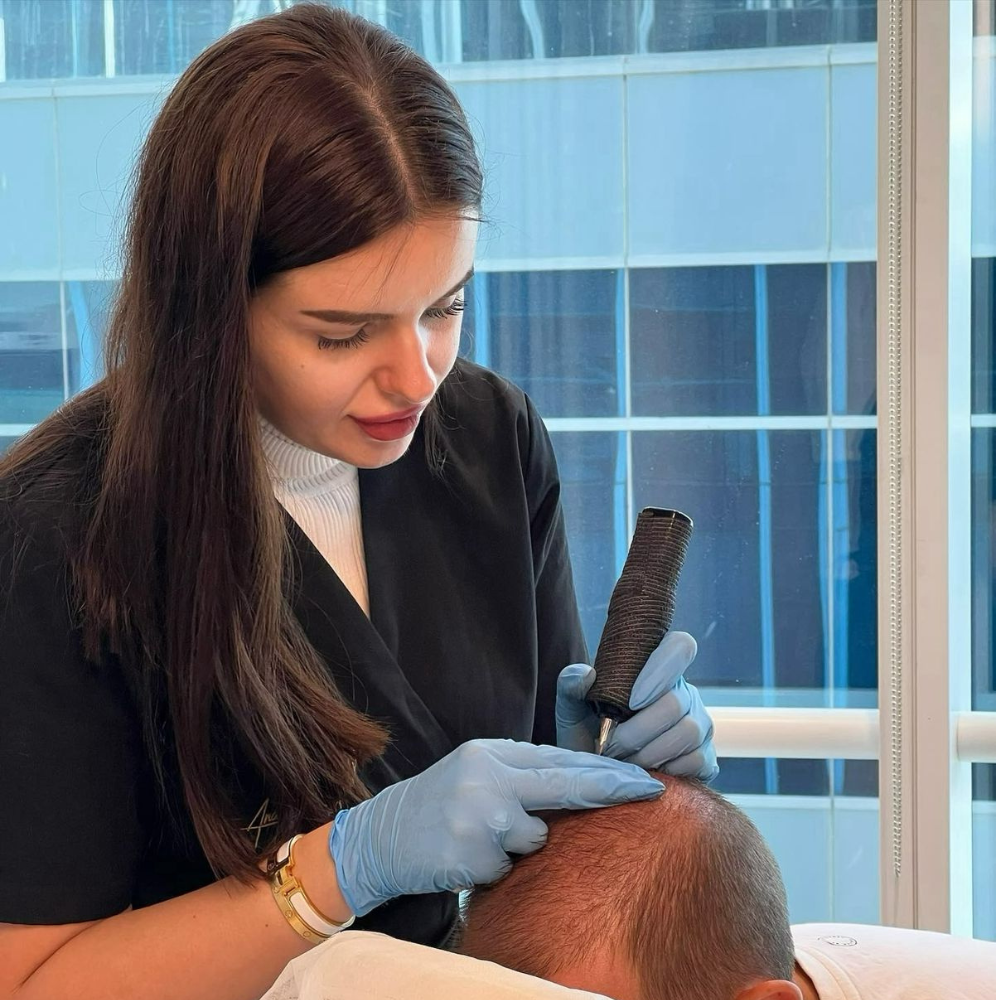 Advanced Loss
For advanced androgenetic alopecia SMP creates the appearance of a defined, natural shaved-head look or adds visual density to thinning areas. Immediate, permanent result.
Learn More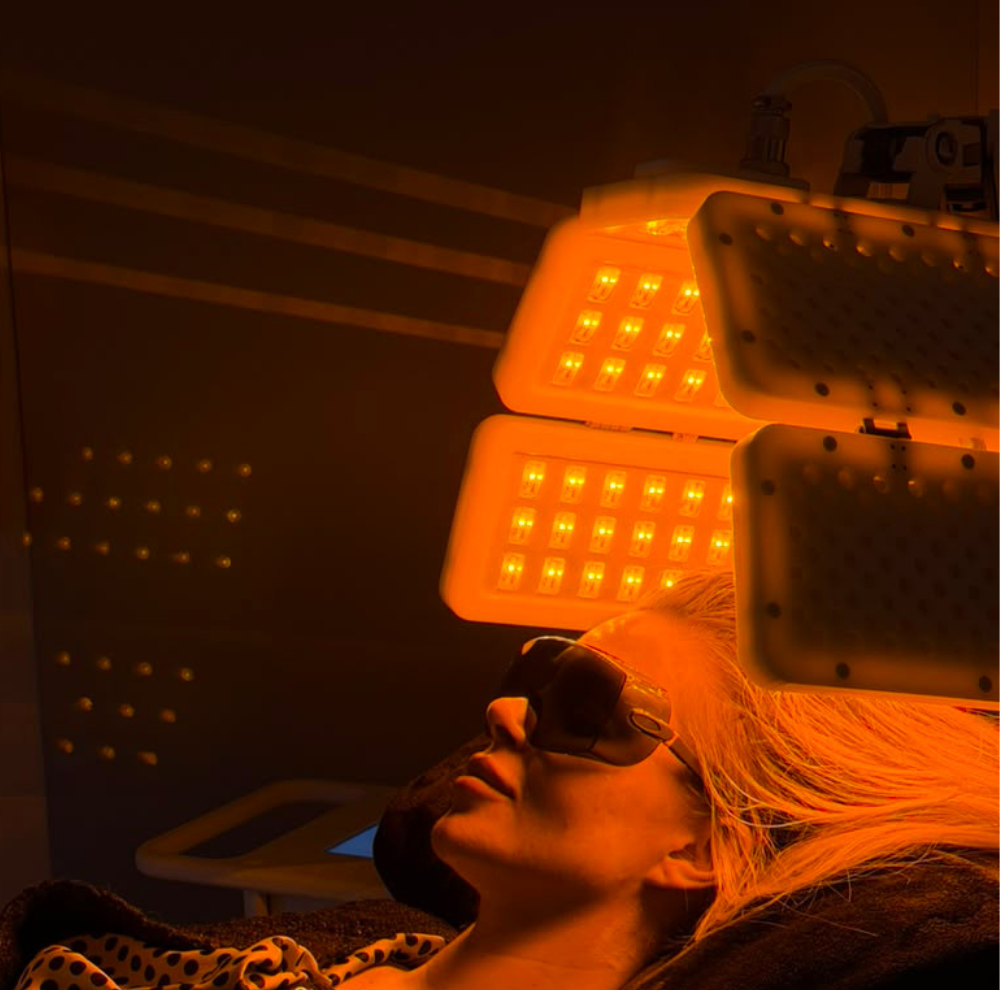 Maintenance
Photobiomodulation stimulates follicular metabolism and may reduce DHT sensitivity. Used as standalone therapy or to extend the results of injectable treatments.
Learn More
What Women Can
Realistically Expect
With the right diagnosis and a multi-modal treatment protocol, female hair loss can be effectively managed — and in many cases significantly reversed when caught before permanent follicular damage occurs.
- Measurable reduction in daily shedding within 4–8 weeks of starting treatment
- Visible improvement in density and hair shaft calibre within 3–6 months
- Resolution of nutritional and hormonal drivers often producing significant independent improvement
- Most significant results when treatment begins before permanent follicular loss has occurred
Your shedding deserves
a proper clinical answer.
A trichology consultation identifies all contributing causes within a single session and maps a personalised, realistic treatment plan from there.