

Postpartum &
Stress-Related Hair Loss
Treatment in Dubai
When the body sheds after a storm. One of the most common and distressing hair conditions experienced by women — and highly treatable with the right support.
When the Body Sheds
After a Storm
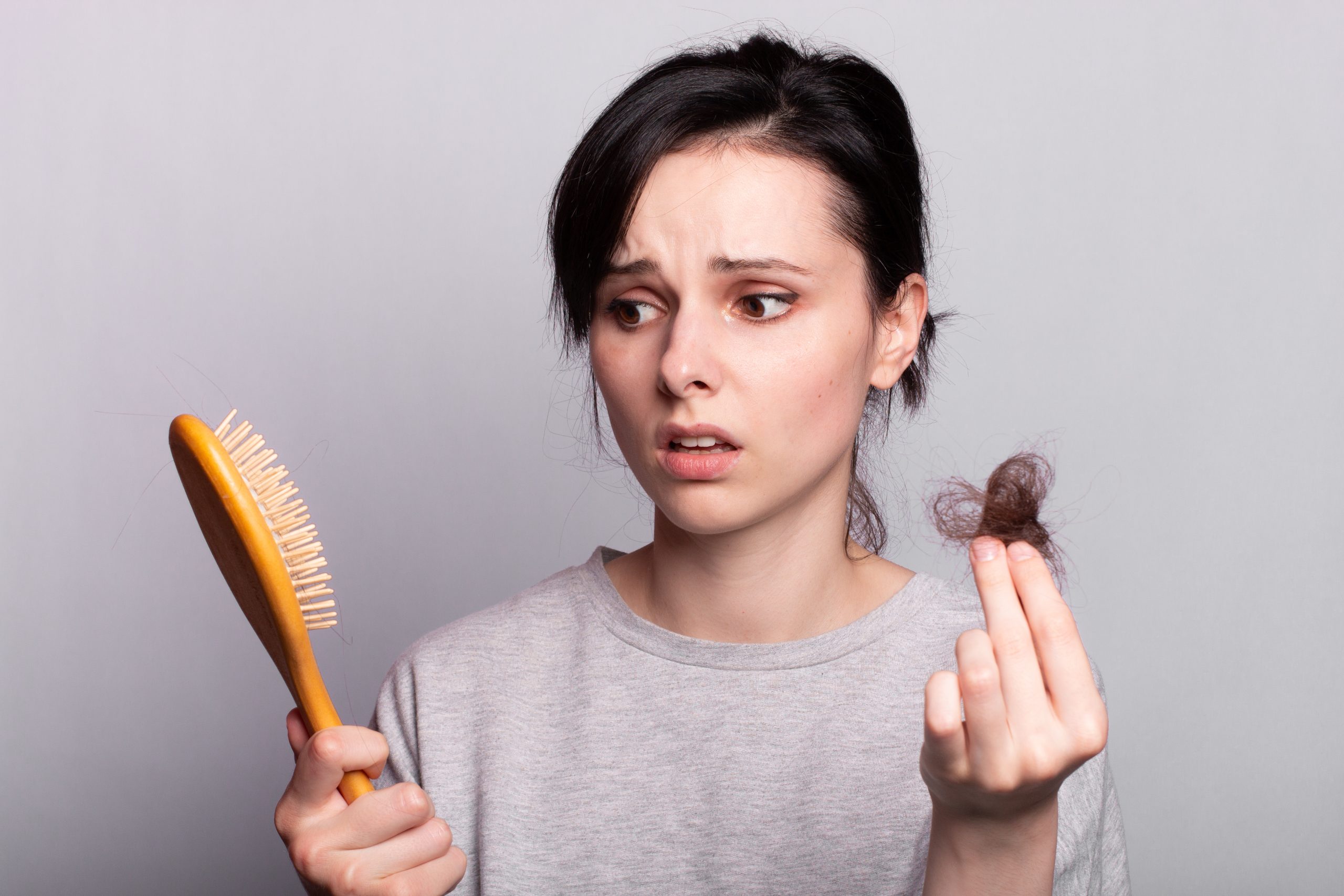
Postpartum hair loss is one of the most common and distressing hair conditions experienced by women and yet it remains poorly understood and rarely addressed with the clinical attention it deserves. It is a form of telogen effluvium: a condition in which a significant physiological stressor triggers a large proportion of hair follicles to simultaneously enter the resting (telogen) phase, leading to dramatic diffuse shedding several weeks or months after the triggering event.
During pregnancy, elevated oestrogen levels keep hair follicles in the active growth phase for longer than usual which is why many women enjoy thicker, more abundant hair during pregnancy. After delivery, oestrogen levels drop sharply, and the follicles that were "held" in the growth phase all transition to the resting phase simultaneously. The result typically appearing 6–12 weeks postpartum is a sudden increase in hair shedding that can feel alarming.
"While telogen effluvium is in most cases self-limiting, recovery is far from guaranteed without nutritional support and underlying deficiencies, particularly iron, can significantly delay or prevent full regrowth."

Beyond postpartum triggers, telogen effluvium can also be caused by major illness, rapid weight loss, surgery, bereavement, burnout, or prolonged sleep deprivation increasingly common in Dubai's high-pressure environment.
What Triggers
Telogen Effluvium
Any significant physical or psychological stressor can trigger this pattern of diffuse shedding not only childbirth.
Childbirth and the postpartum hormonal shift the sharp drop in oestrogen after delivery is the most common trigger, typically causing shedding 6–12 weeks later.
Chronic stress, burnout, and emotional trauma increasingly common triggers in Dubai's high-pressure professional environment, affecting both men and women.
Rapid weight loss or very restrictive dieting sudden caloric or nutritional restriction is a well-documented trigger for diffuse telogen shedding.
Major surgery, illness, or hospitalisation — any significant physiological stressor on the body can trigger a mass shift of follicles into the resting phase.
Thyroid dysregulation and nutritional insufficiency particularly iron deficiency can both trigger telogen effluvium and significantly delay recovery.
Unlike patchy or pattern hair loss, telogen effluvium presents as diffuse shedding across the entire scalp uniform thinning rather than localised areas.

How We Diagnose
Telogen Effluvium
Comprehensive Blood Panel
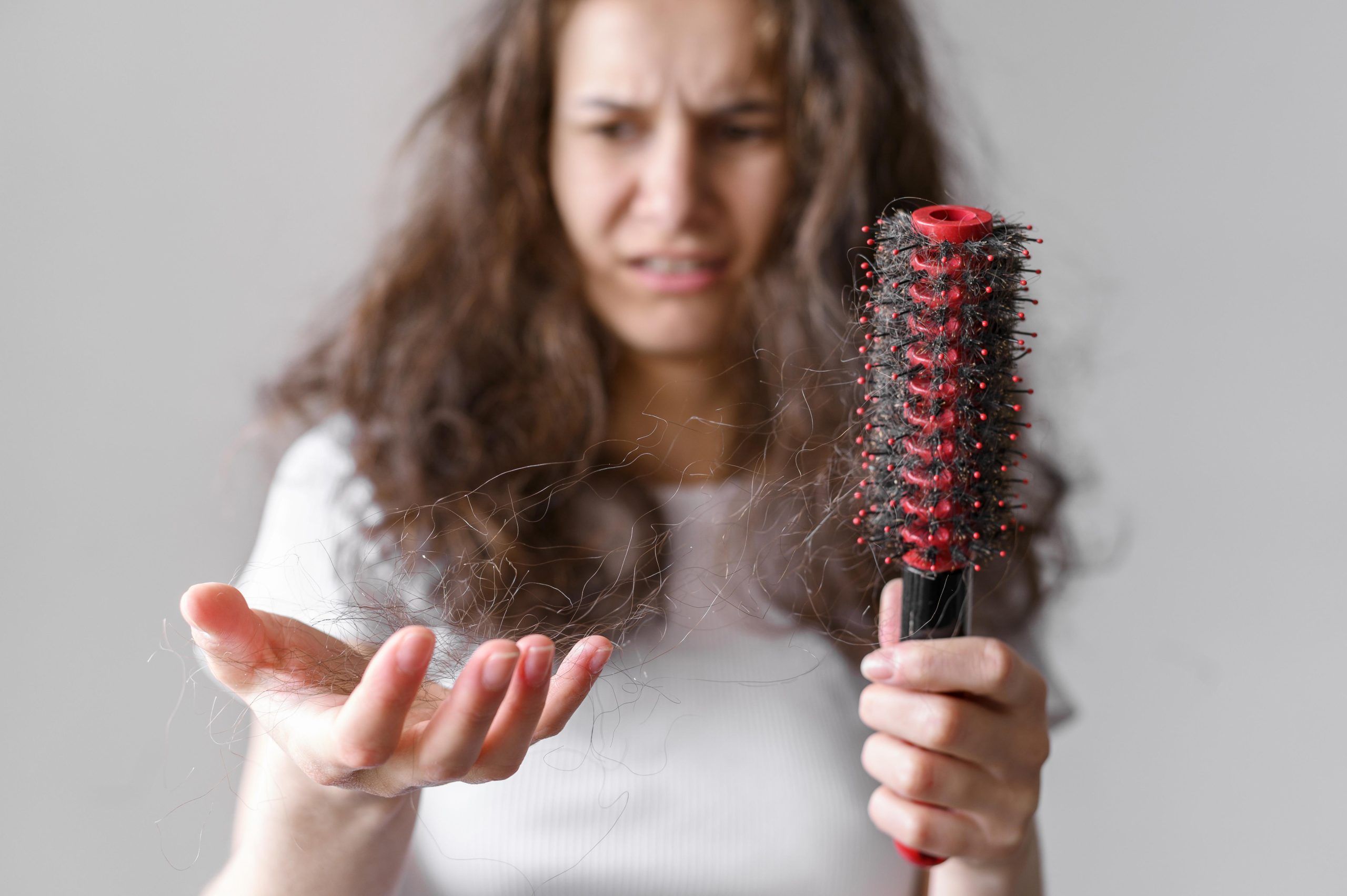
A blood panel to identify and address nutritional gaps is central to diagnosis particularly iron and ferritin, which are frequently depleted during and after pregnancy and can significantly delay or prevent full regrowth if left uncorrected.
- Iron and ferritin levels the most common deficiency driving prolonged shedding
- Vitamin D, B12, and thyroid panel assessment
- Trichoscopy to confirm diffuse pattern and rule out other causes
Trigger Identification & Timeline Review
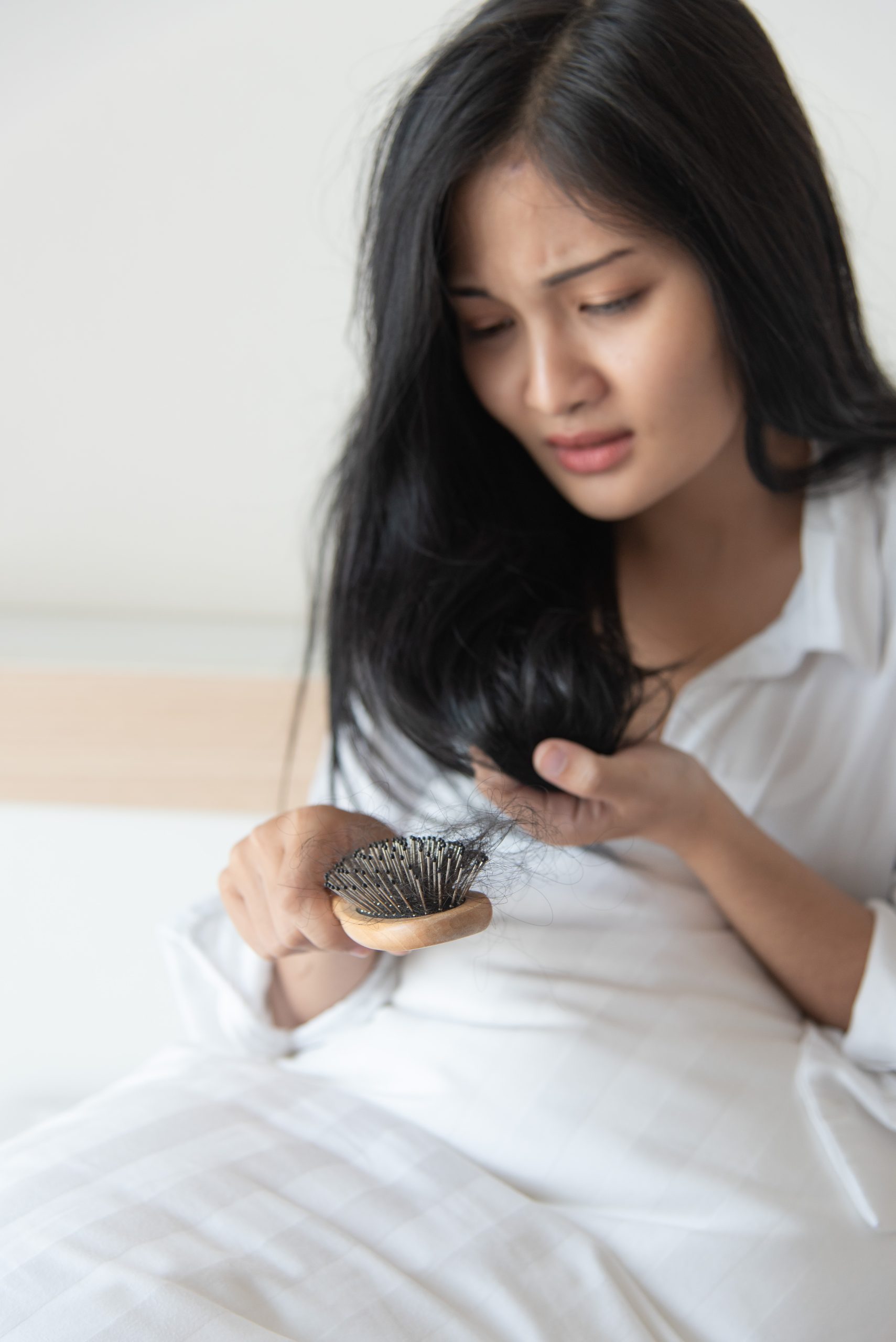
Identifying the specific triggering event childbirth, illness, weight loss, or chronic stress and mapping the timeline against the onset of shedding helps confirm telogen effluvium and rules out other diagnoses with a similar presentation.
- Detailed timeline review against the triggering event
- Lifestyle and stress assessment to identify ongoing contributing factors
- Personalised plan combining nutrition, lifestyle, and regenerative treatment
How We Treat
Postpartum & Stress-Related Hair Loss
The most effective protocols combine multiple biological approaches each targeting a different aspect of the condition.
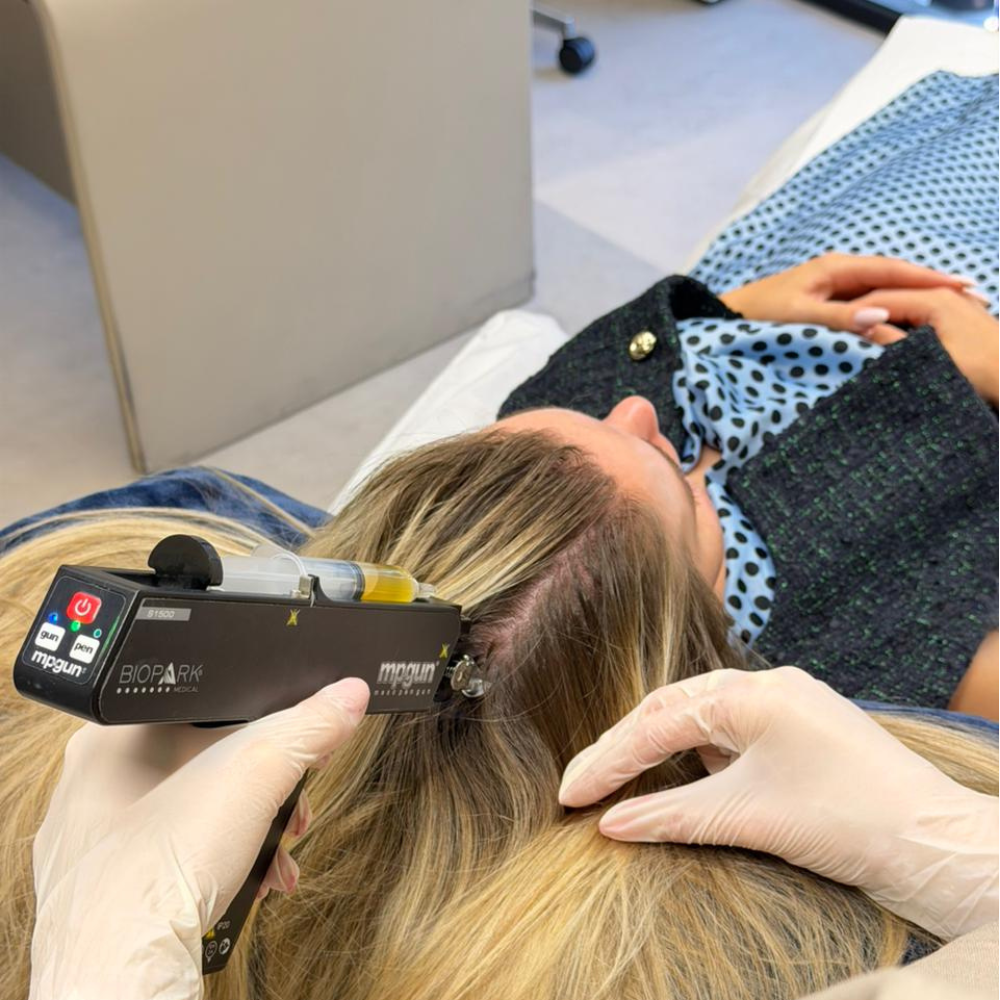 First Line
Concentrated growth factors from your own blood stimulate miniaturising follicles and improve scalp microcirculation. Most effective at early to moderate stages.
Learn More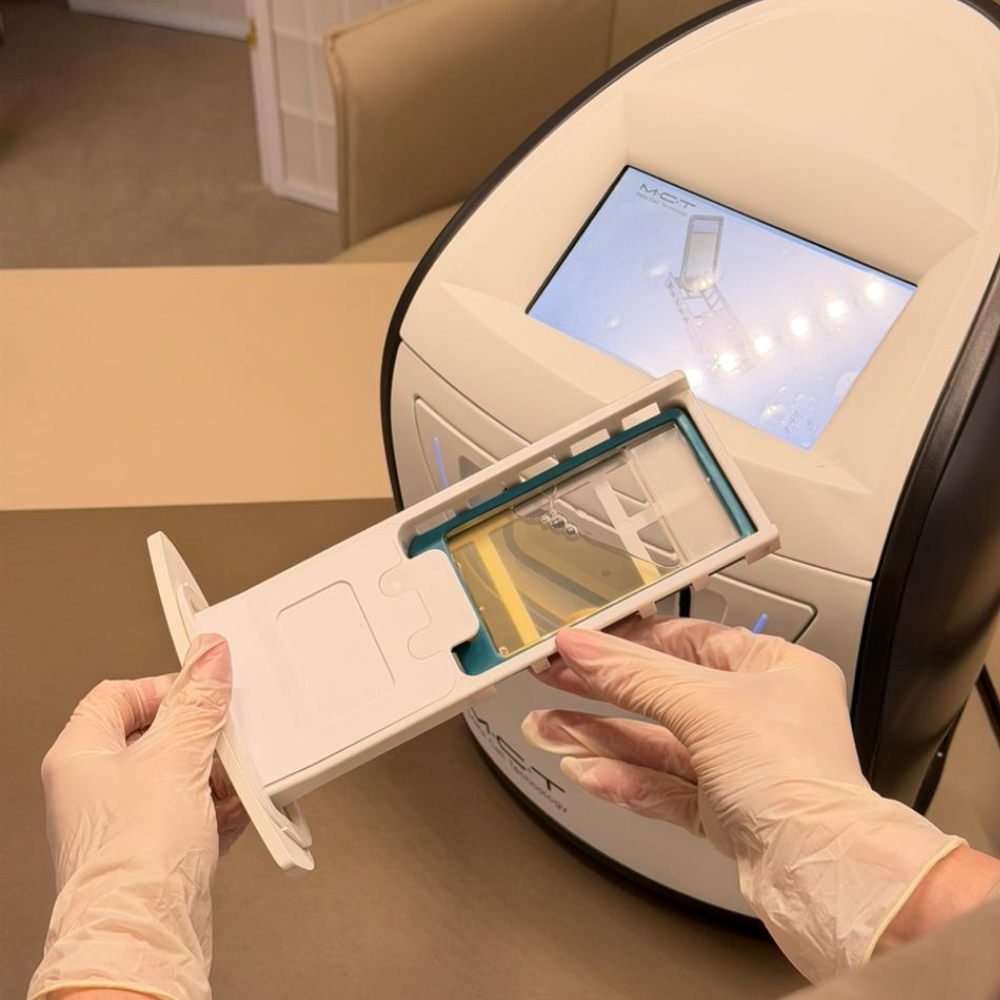 Advanced Cases
10 billion exosomes deliver targeted regenerative signals directly to follicular cells. 70–90% clinical success rate. Ideal for moderate to advanced cases or PRP non-responders.
Learn More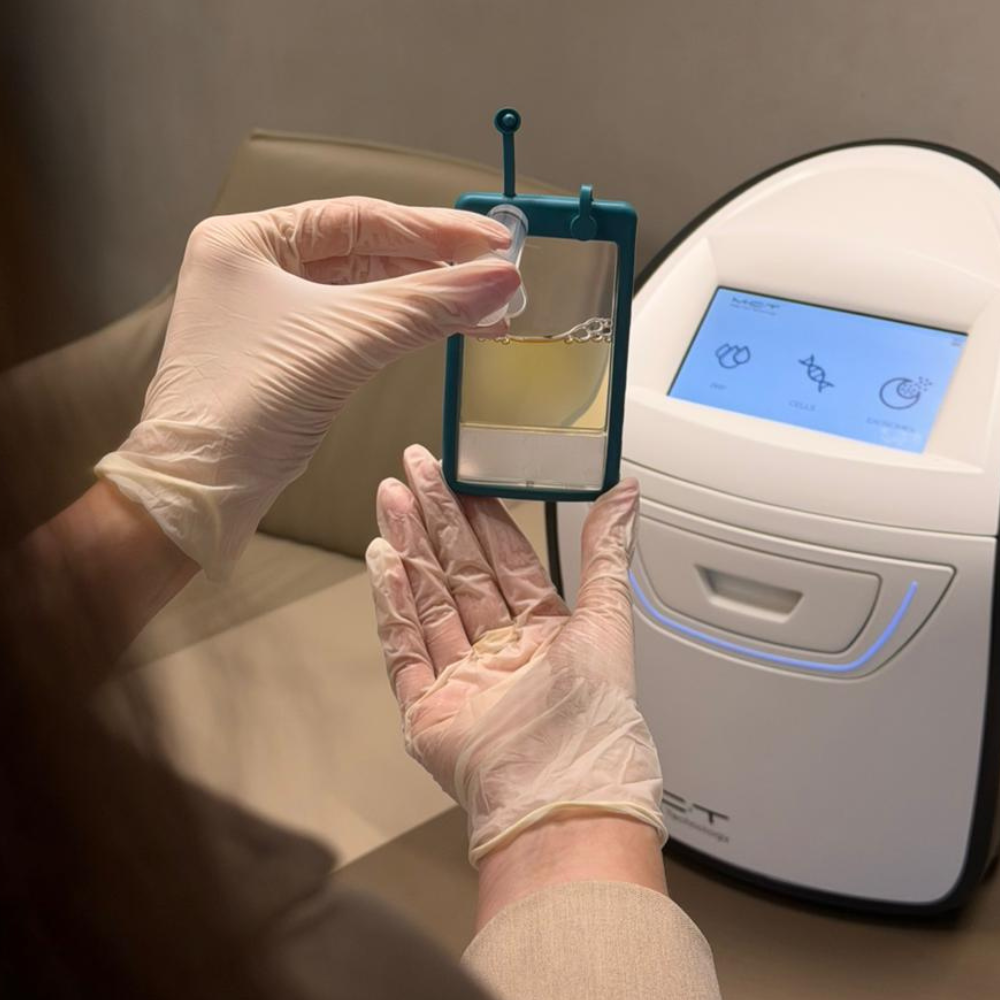 Adjunct
Bioactive peptides and growth factors delivered into the perifollicular layer nourishing miniaturising follicles and complementing PRP or exosome protocols.
Learn More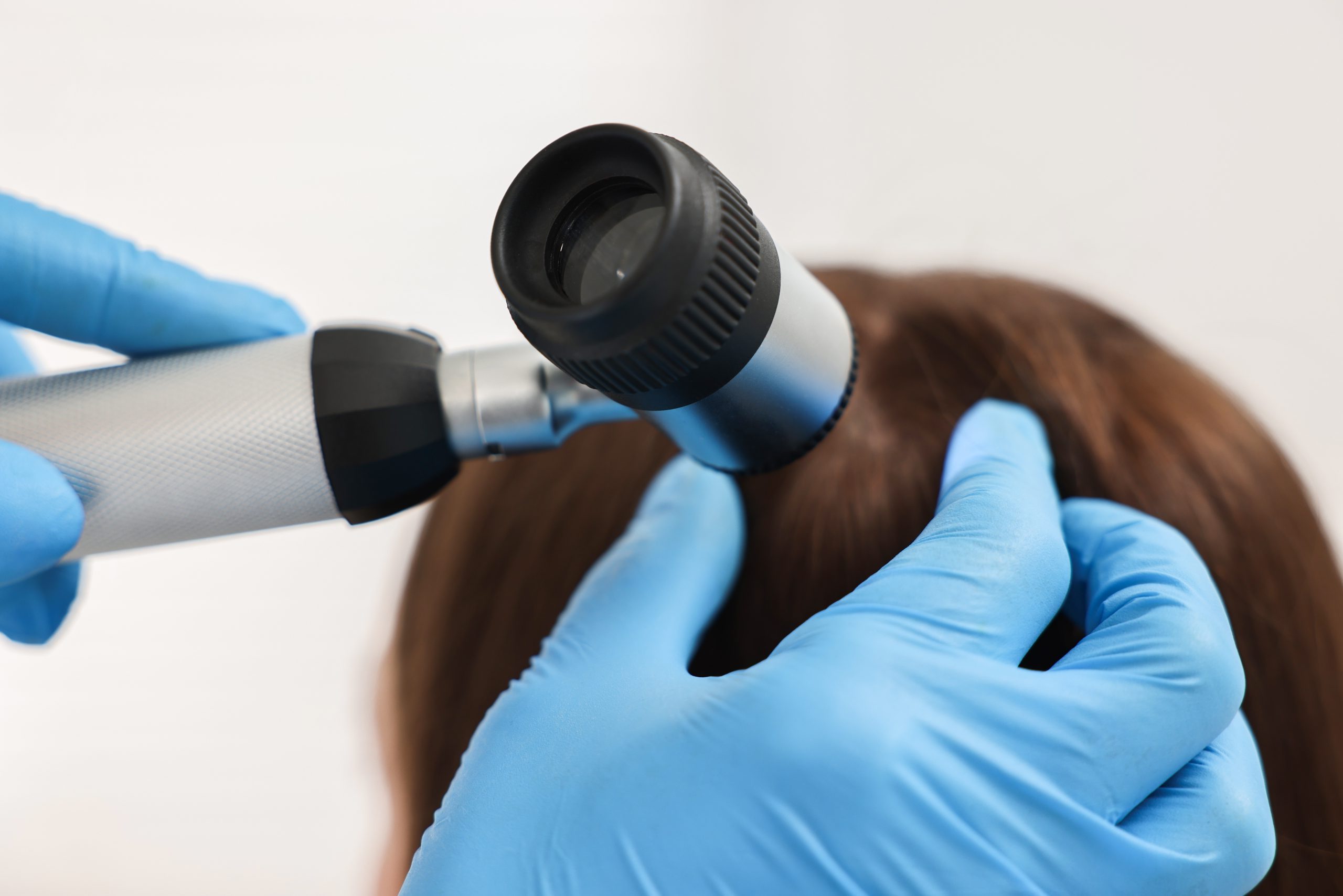 Maintenance
Photobiomodulation stimulates follicular metabolism and may reduce DHT sensitivity. Used as standalone therapy or to extend the results of injectable treatments.
Learn More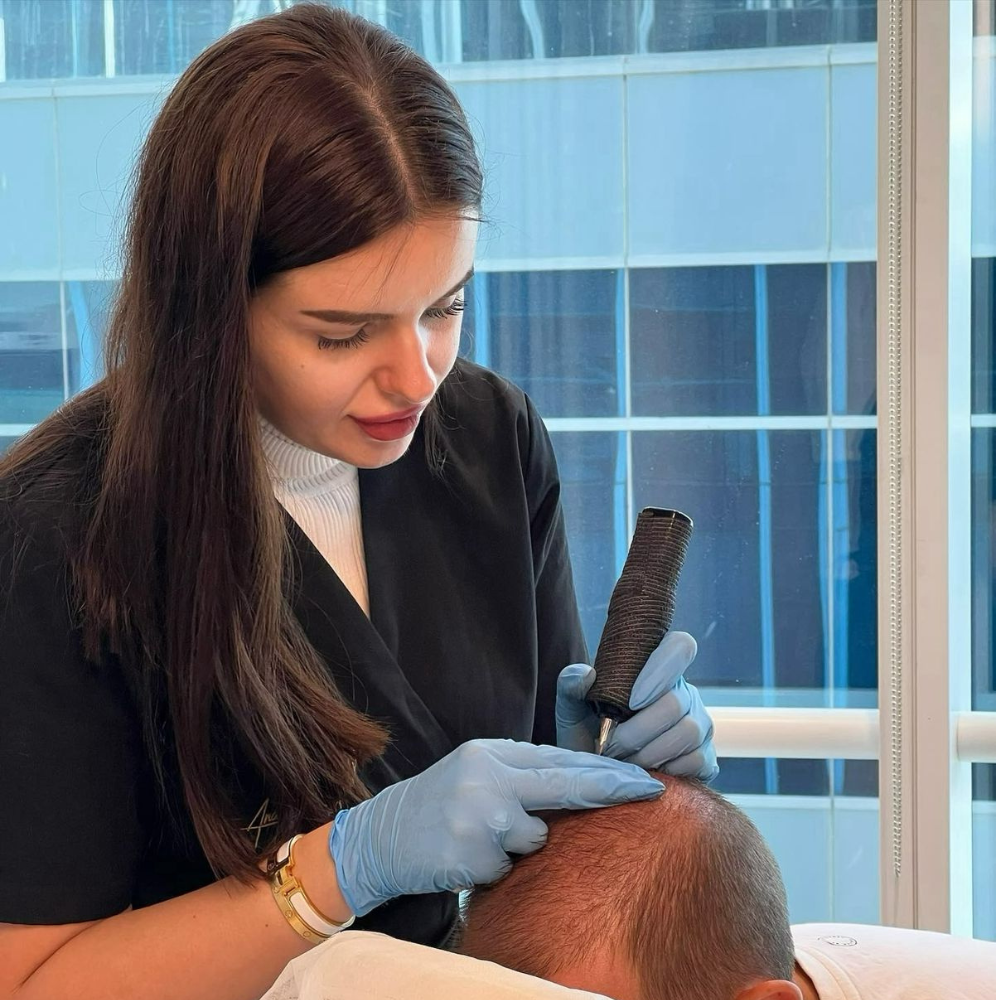 Advanced Loss
For advanced androgenetic alopecia SMP creates the appearance of a defined, natural shaved-head look or adds visual density to thinning areas. Immediate, permanent result.
Learn More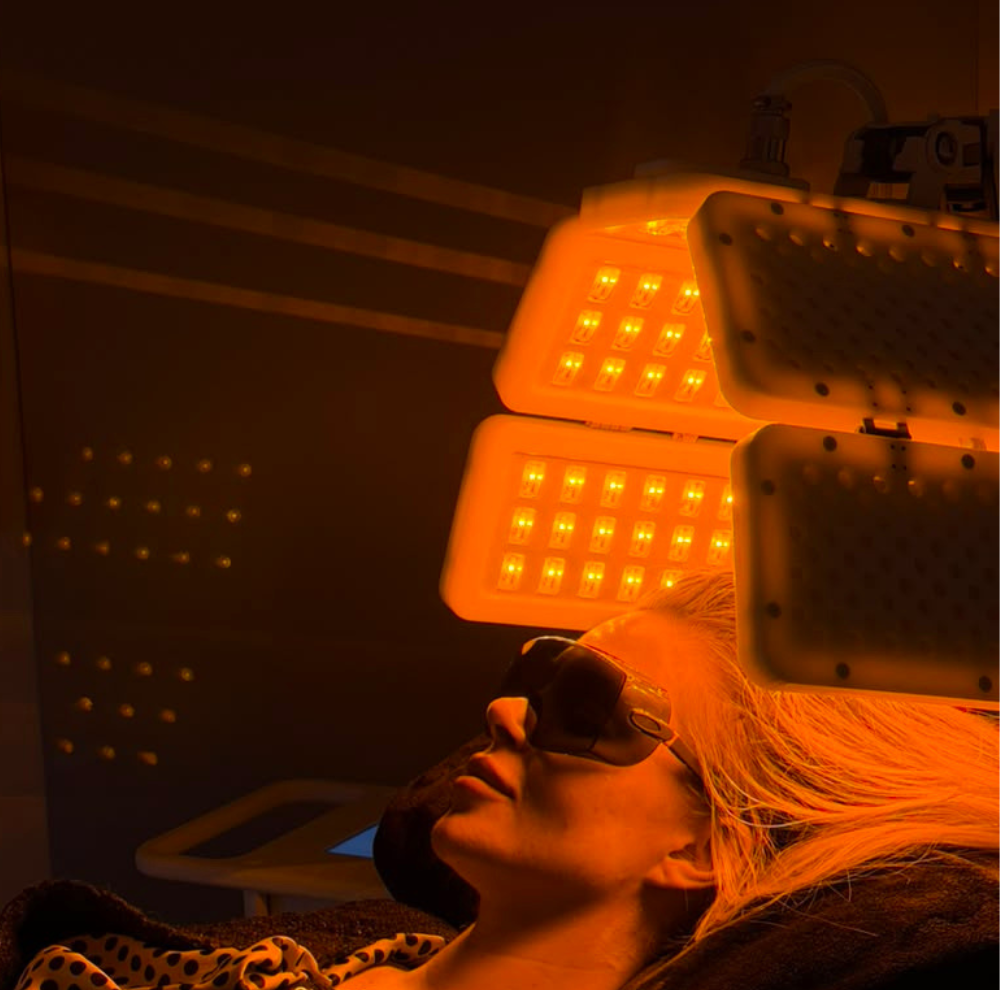 Maintenance
Photobiomodulation stimulates follicular metabolism and may reduce DHT sensitivity. Used as standalone therapy or to extend the results of injectable treatments.
Learn More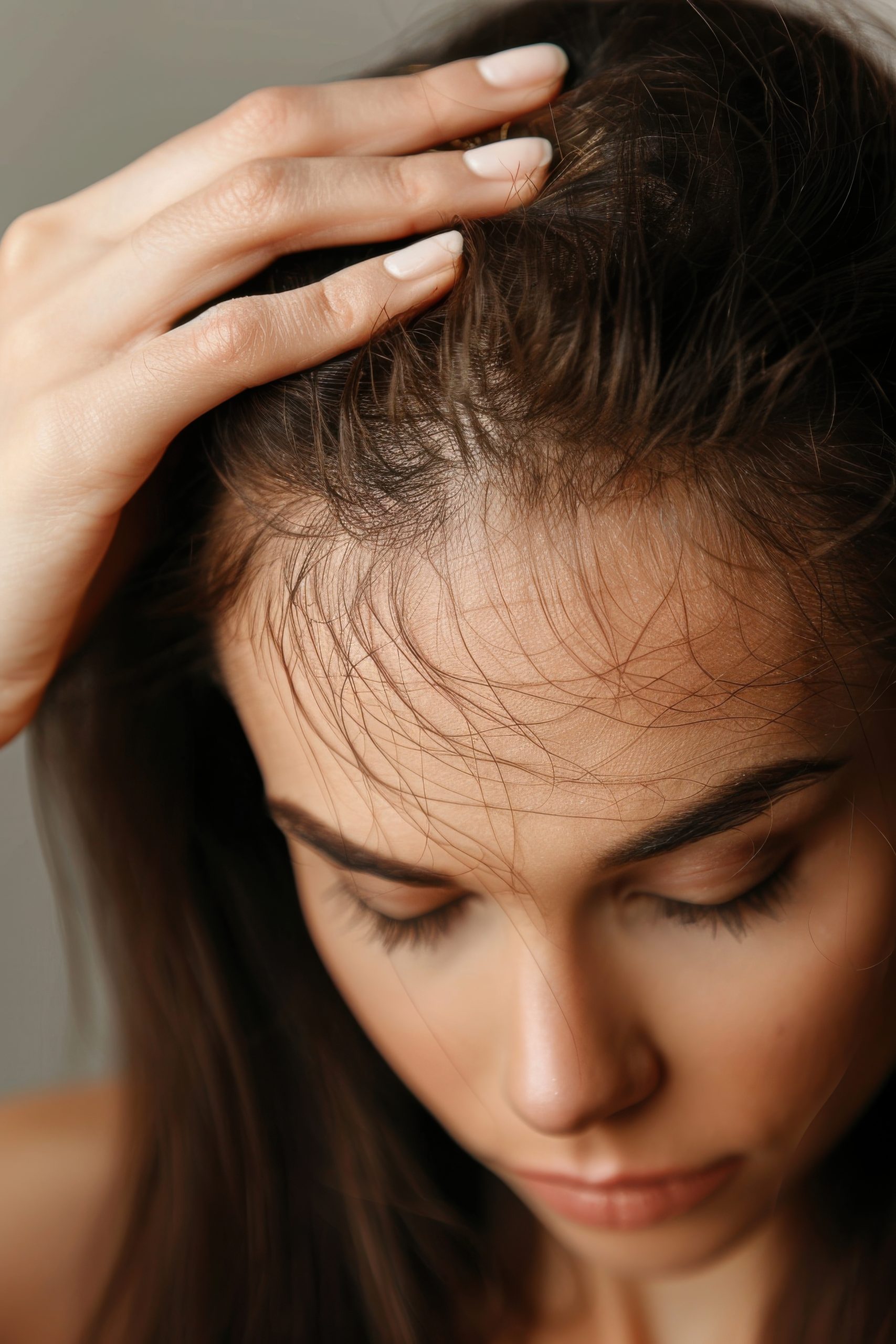
What You Can
Realistically Expect
Telogen effluvium carries one of the most favourable prognoses among hair loss conditions — particularly with the right nutritional and clinical support.
- Excellent recovery rate with proper nutritional and clinical support
- Shedding typically begins to slow within 3–6 months once the trigger resolves
- Correcting iron and other deficiencies is often the single most important factor in full recovery
- Regenerative treatment can accelerate the timeline for clients wanting faster visible results
Hair loss after a storm
deserves real support.
A blood panel and trichoscopy assessment identifies exactly what's happening and maps a clear, supportive path to recovery.