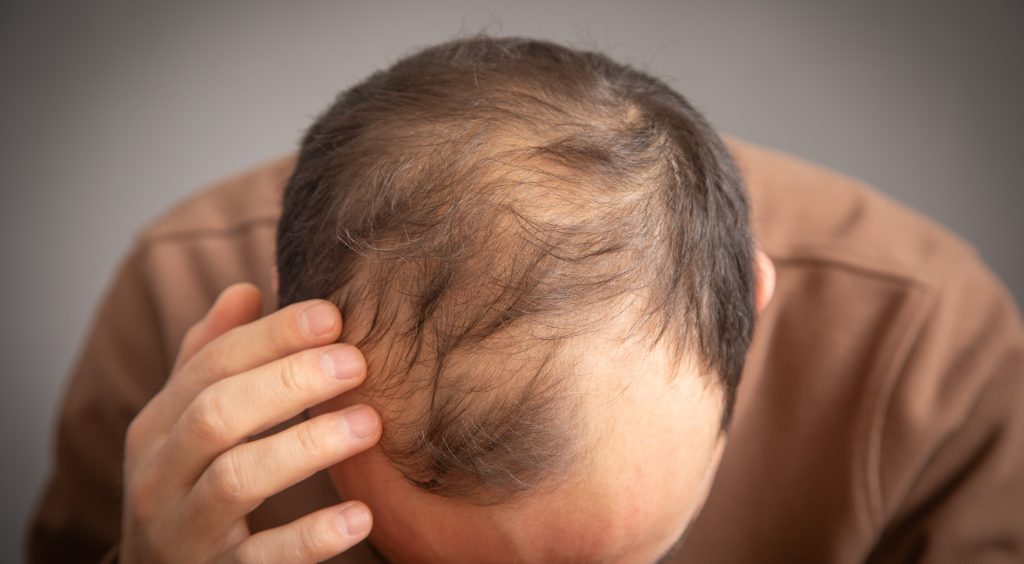


Hair Loss Treatment for Men in Dubai
More than pattern baldness male hair loss stems from a wide range of causes, many of which are directly treatable when accurately diagnosed.
What causes
hair loss in men?
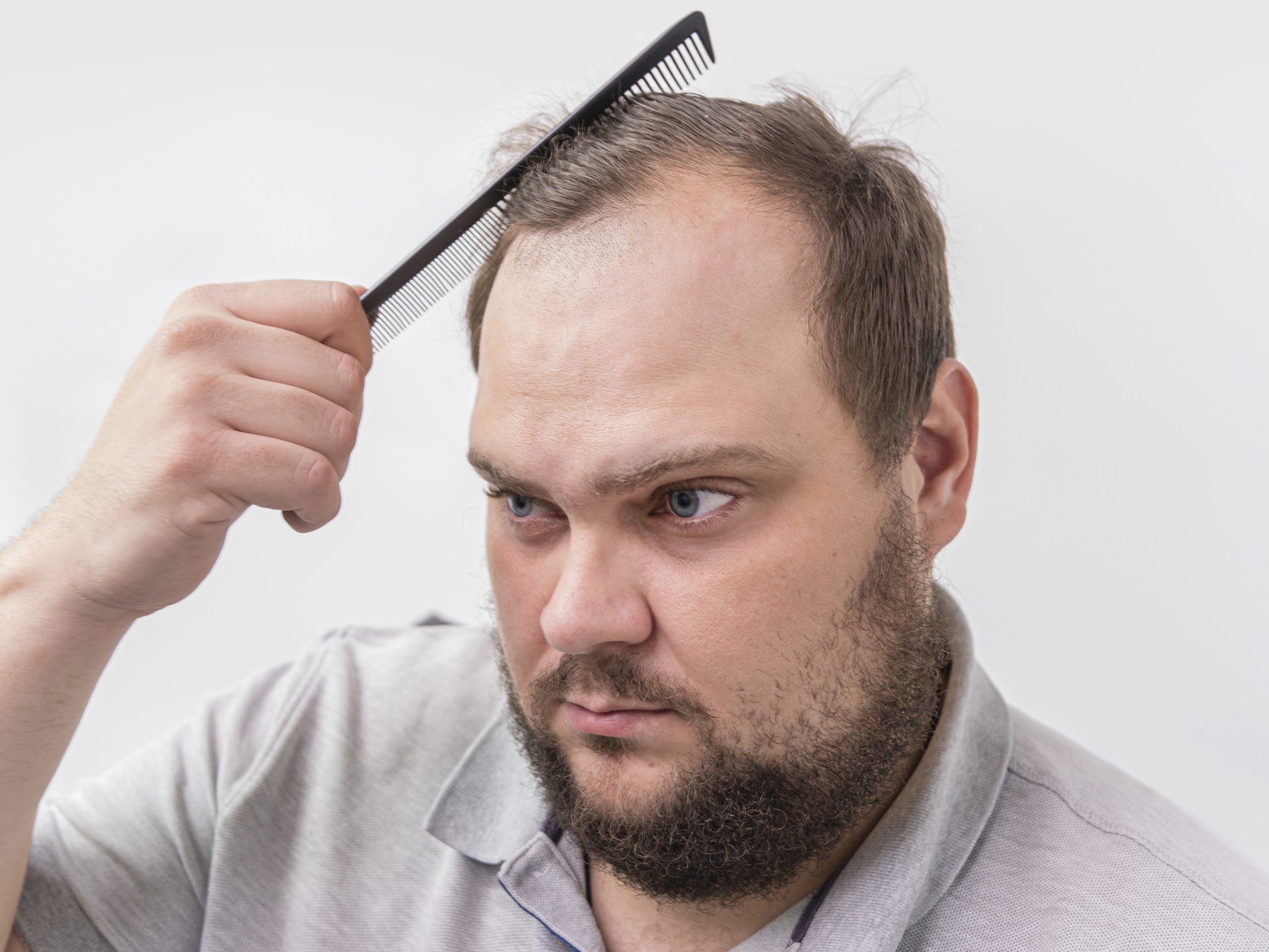
Hair loss in men is most commonly associated with androgenetic alopecia, also known as male pattern hair loss, but other causes can include telogen effluvium, nutritional factors, thyroid-related conditions, autoimmune hair loss, medications and scalp disorders. The pattern, speed of progression and scalp findings help determine which cause is most likely.
Beyond genetic pattern baldness, male hair loss can be triggered by nutritional deficiencies particularly iron, zinc, vitamin D, and B12 which are extremely prevalent in Dubai's climate and lifestyle context. Thyroid dysfunction, elevated cortisol from chronic stress, scalp conditions including seborrhoeic dermatitis, and the use of certain medications can all drive significant shedding or progressive thinning. In some cases, multiple causes operate simultaneously.
"Male clients often present later in the process frequently only when hair loss has become visually obvious. Earlier intervention consistently yields better outcomes."
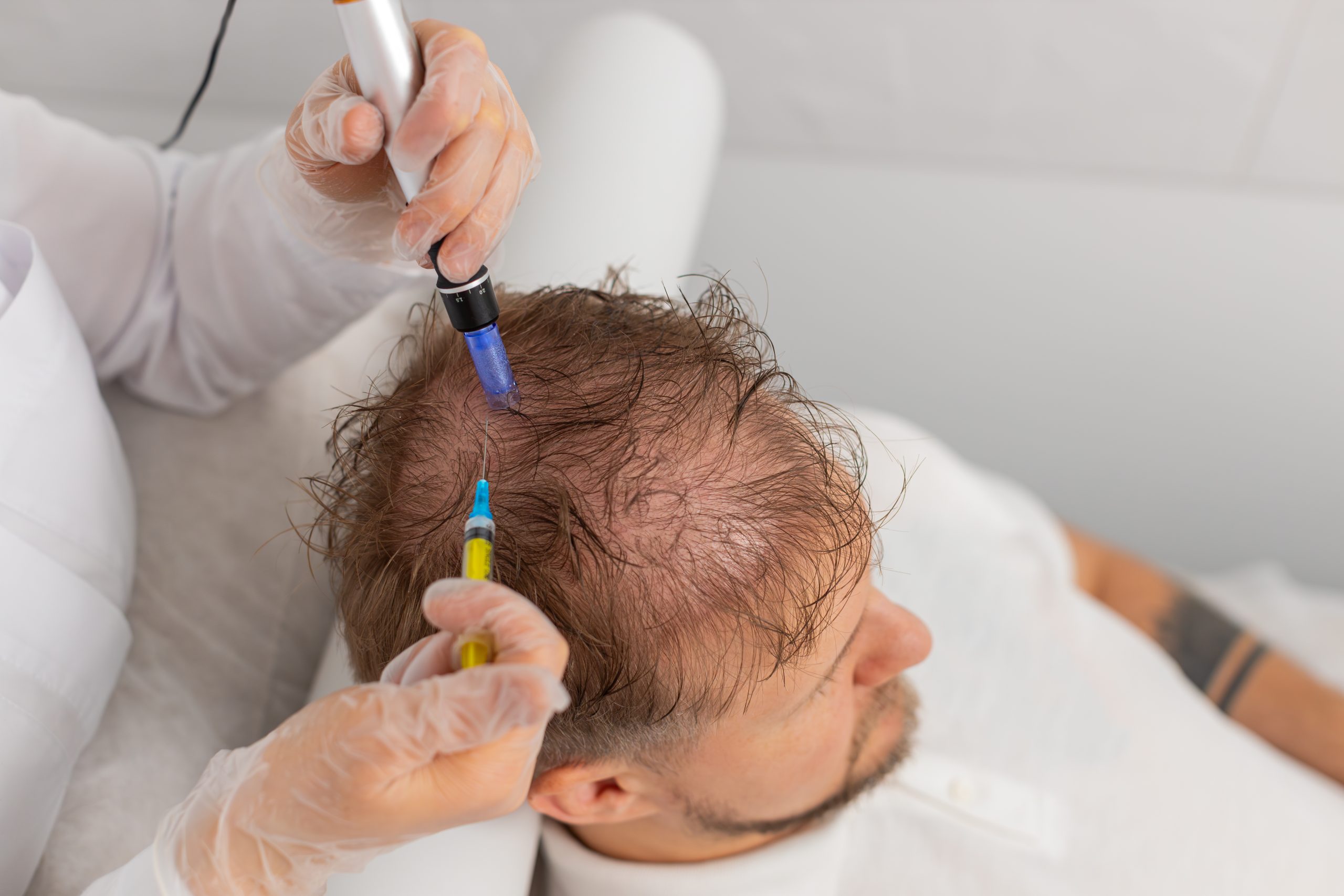
Trichoscopy maps the full pattern of loss and identifies all contributing causes not just the most obvious one. Essential for designing an effective protocol.
The Full Spectrum of
Male Hair Loss Causes
A trichology consultation can identify the cause of hair loss within a single comprehensive session.
DHT-driven follicular miniaturisation the most common cause. Begins with hairline recession and crown thinning, progressing systematically if untreated.
Prolonged stress, illness, or systemic shock triggering a mass shift of follicles into the resting phase resulting in diffuse shedding 6–12 weeks after the trigger event.
Iron, zinc, vitamin D, and B12 deficiencies extremely prevalent in Dubai's climate and lifestyle context are frequently overlooked drivers of significant male hair shedding.
Both hypothyroidism and hyperthyroidism can cause significant hair loss and shedding. Thyroid dysfunction is often missed without a specific blood panel referral.
Seborrhoeic dermatitis, psoriasis, and chronic scalp inflammation create a hostile follicular environment and significantly accelerate androgenetic progression.
Certain medications including anabolic steroids, blood pressure drugs, and some antidepressants can trigger or accelerate hair loss that resolves with clinical management.
How We Diagnose
Male Hair Loss
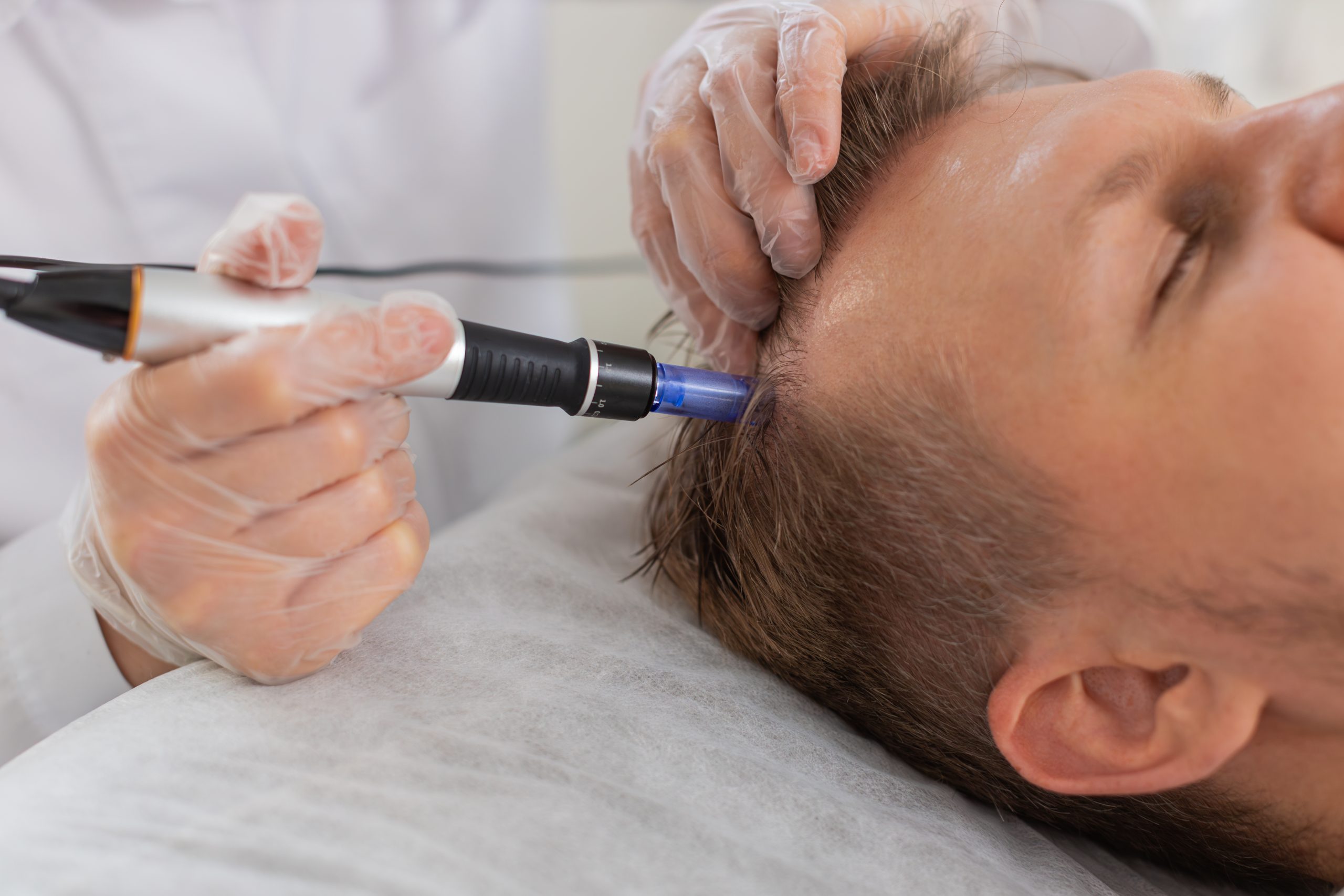
Trichoscopy & Scalp Assessment
High-resolution trichoscopy maps the full pattern of loss, assesses follicular miniaturisation and density, identifies signs of scalp inflammation, and stages the condition using the Norwood scale. This single examination provides more clinically useful information than years of watching and waiting.
- Follicular density mapping across all scalp zones
- Norwood staging to classify pattern and guide prognosis
- Assessment for scalp conditions driving or accelerating loss
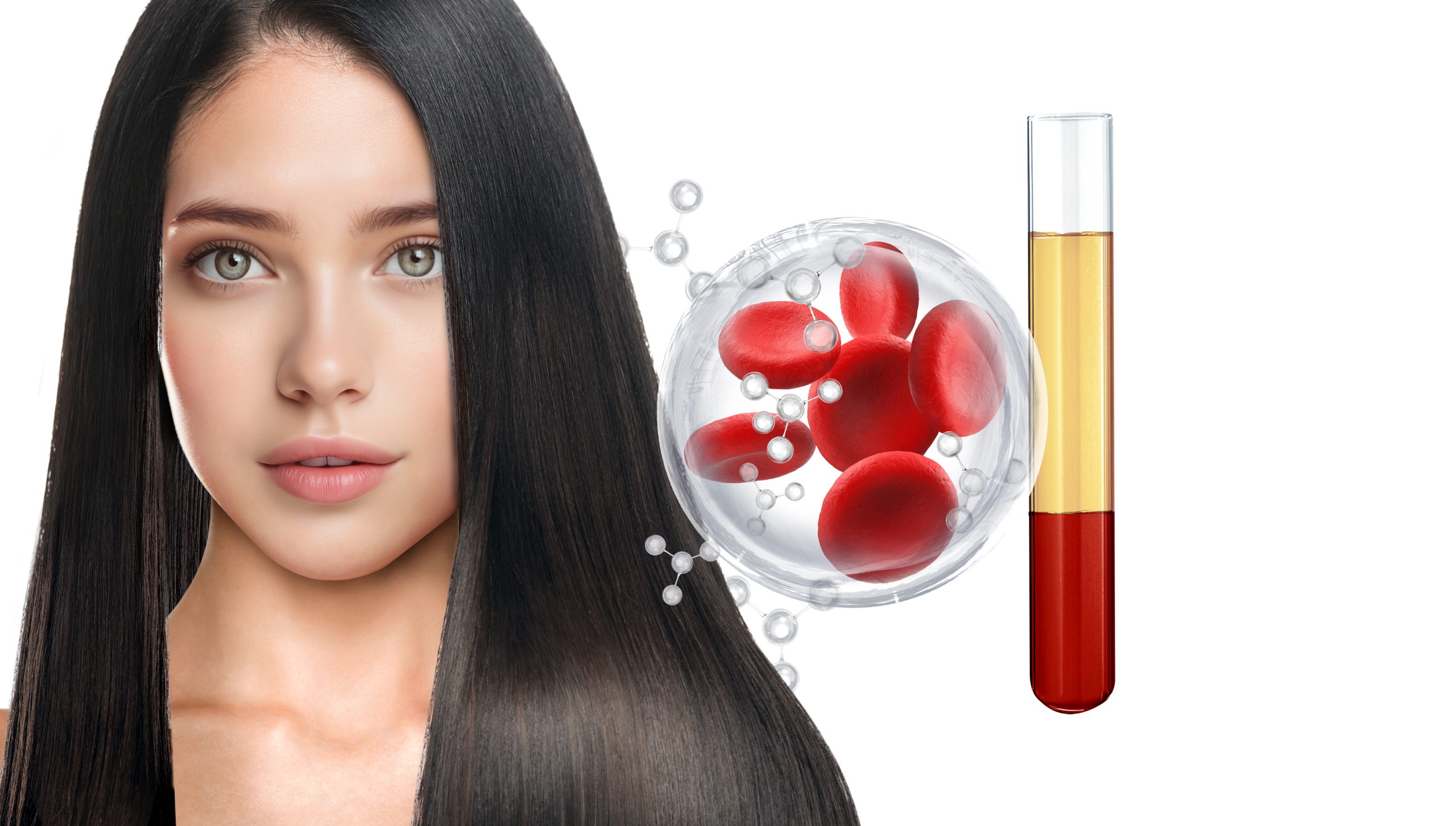
Medical History & Blood Panel
A thorough review of medical history, lifestyle, stress levels, diet, and medications followed by targeted blood work where systemic factors are suspected. In Dubai, nutritional deficiencies are an extremely common contributing factor that is frequently overlooked without testing.
- Iron, ferritin, vitamin D, zinc, B12 panel where indicated
- Thyroid function testing when clinically indicated
- Baseline photography for objective treatment progress tracking
How We Treat
Hair Loss in Men
The most effective protocols combine multiple biological approaches each targeting a different aspect of the condition.
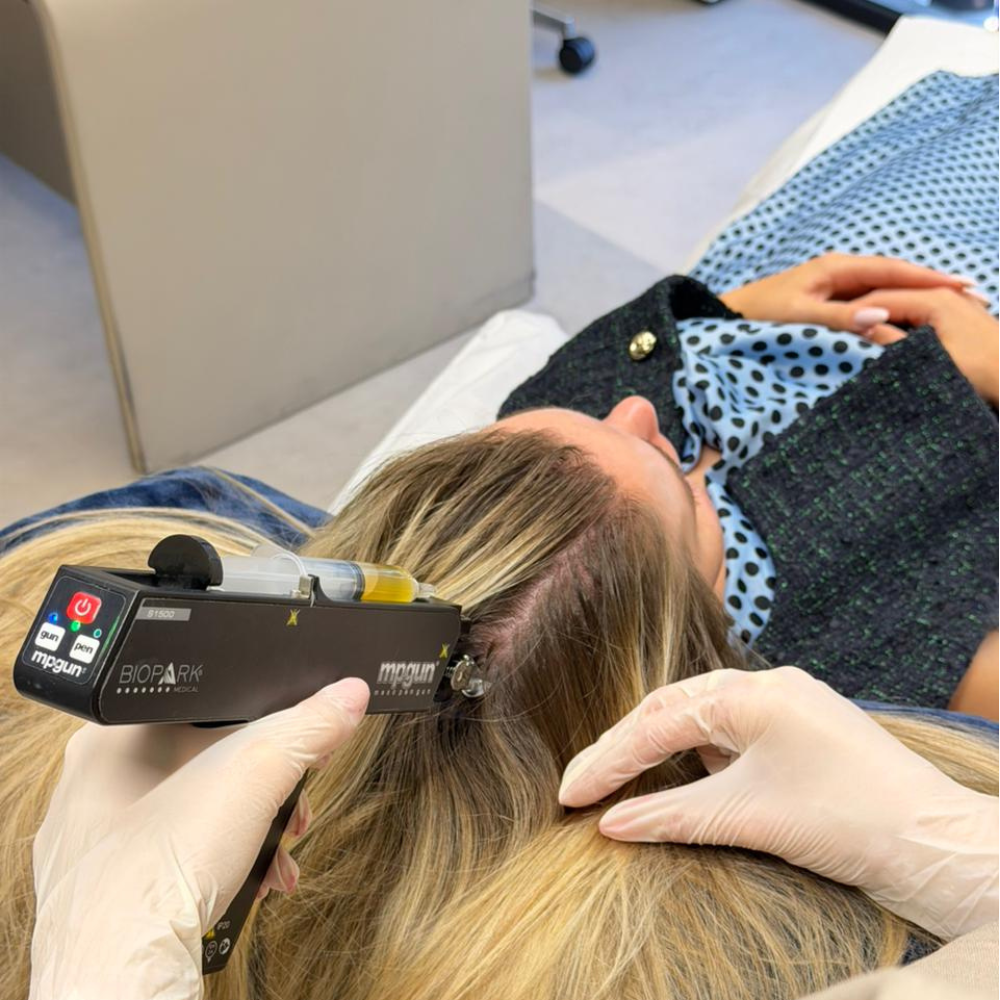 First Line
Concentrated growth factors from your own blood stimulate miniaturising follicles and improve scalp microcirculation. Most effective at early to moderate stages.
Learn More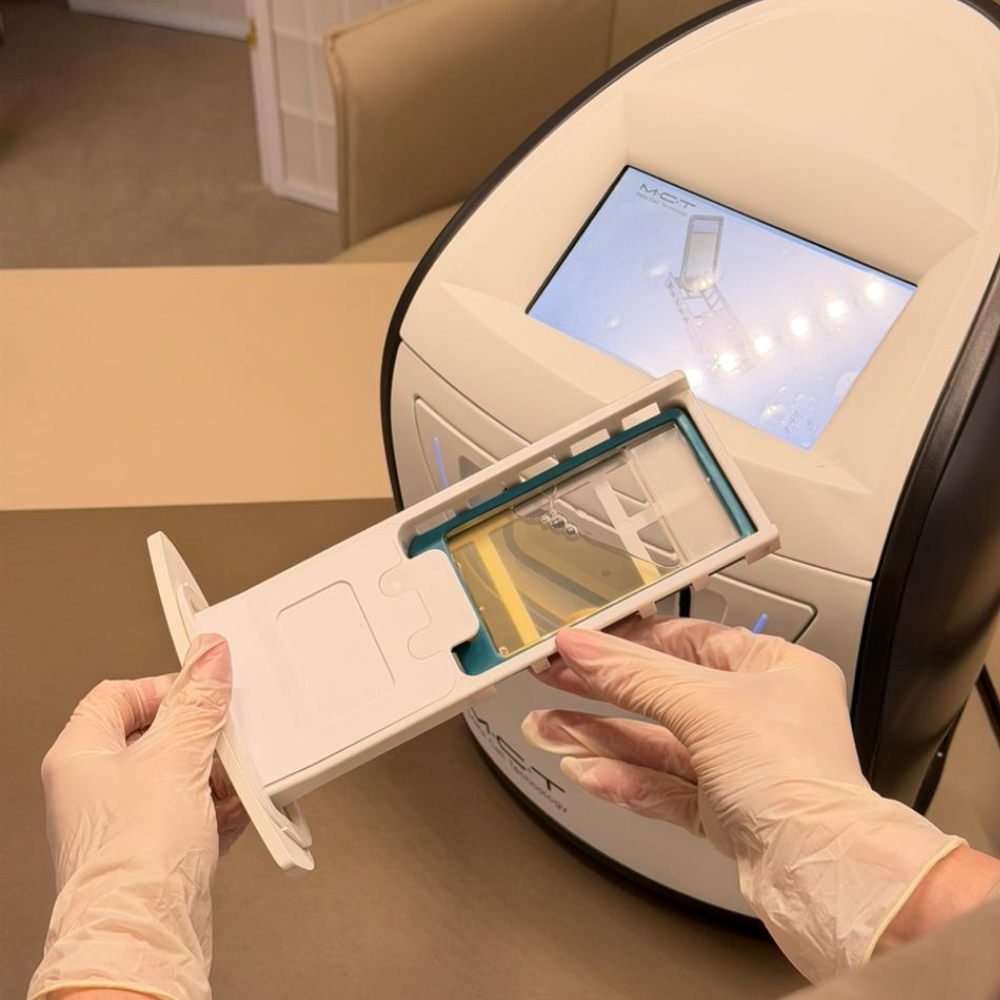 Advanced Cases
10 billion exosomes deliver targeted regenerative signals directly to follicular cells. 70–90% clinical success rate. Ideal for moderate to advanced cases or PRP non-responders.
Learn More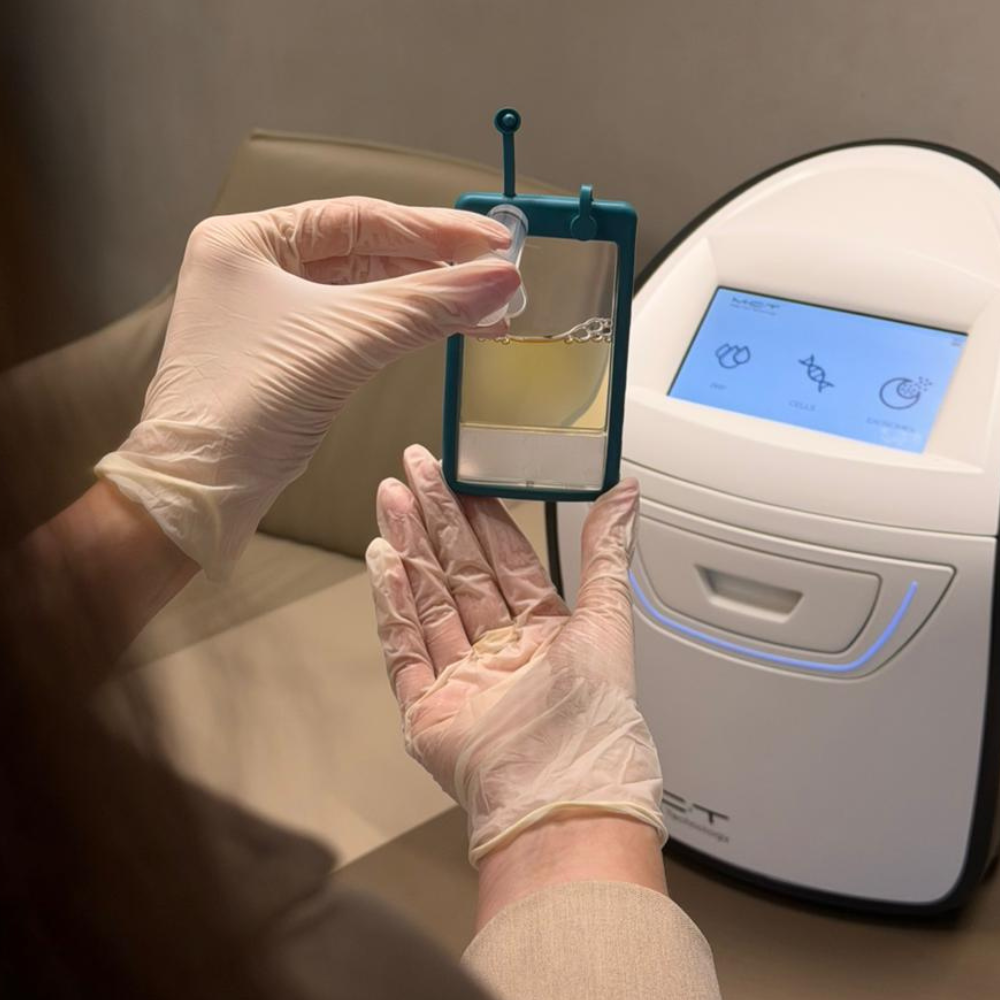 Adjunct
Bioactive peptides and growth factors delivered into the perifollicular layer nourishing miniaturising follicles and complementing PRP or exosome protocols.
Learn More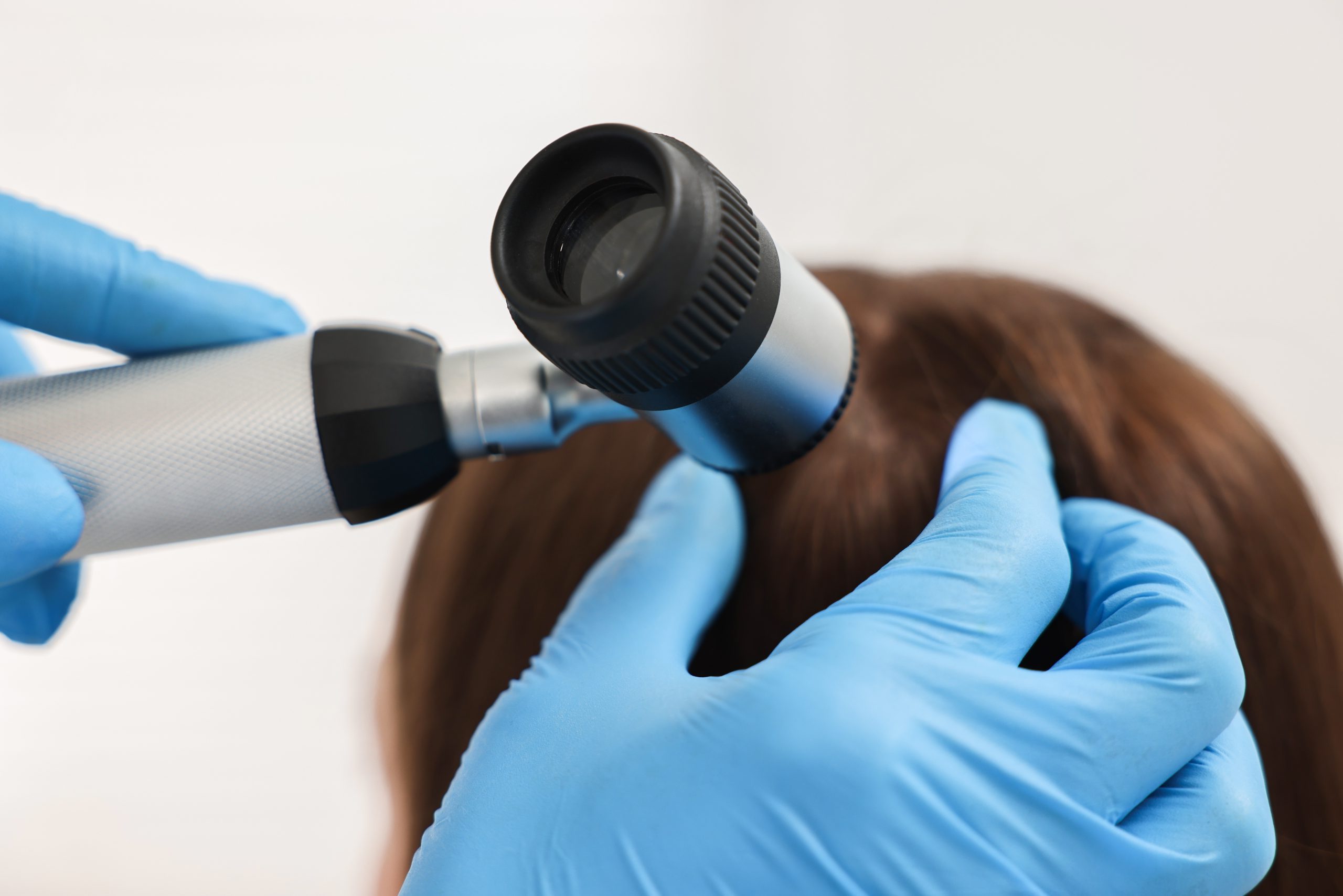 Maintenance
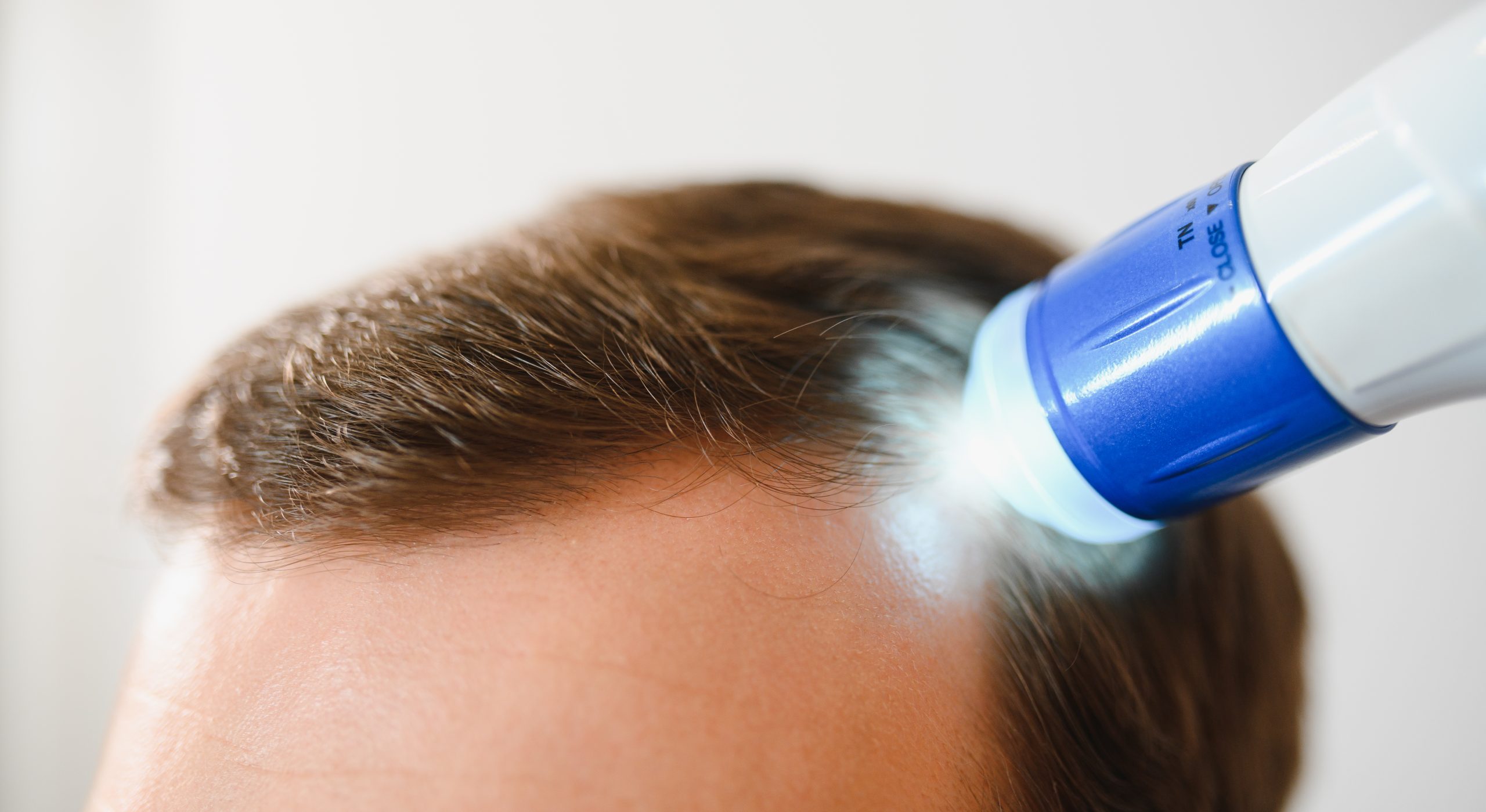
Photobiomodulation stimulates follicular metabolism and may reduce DHT sensitivity. Used as standalone therapy or to extend the results of injectable treatments.
Learn More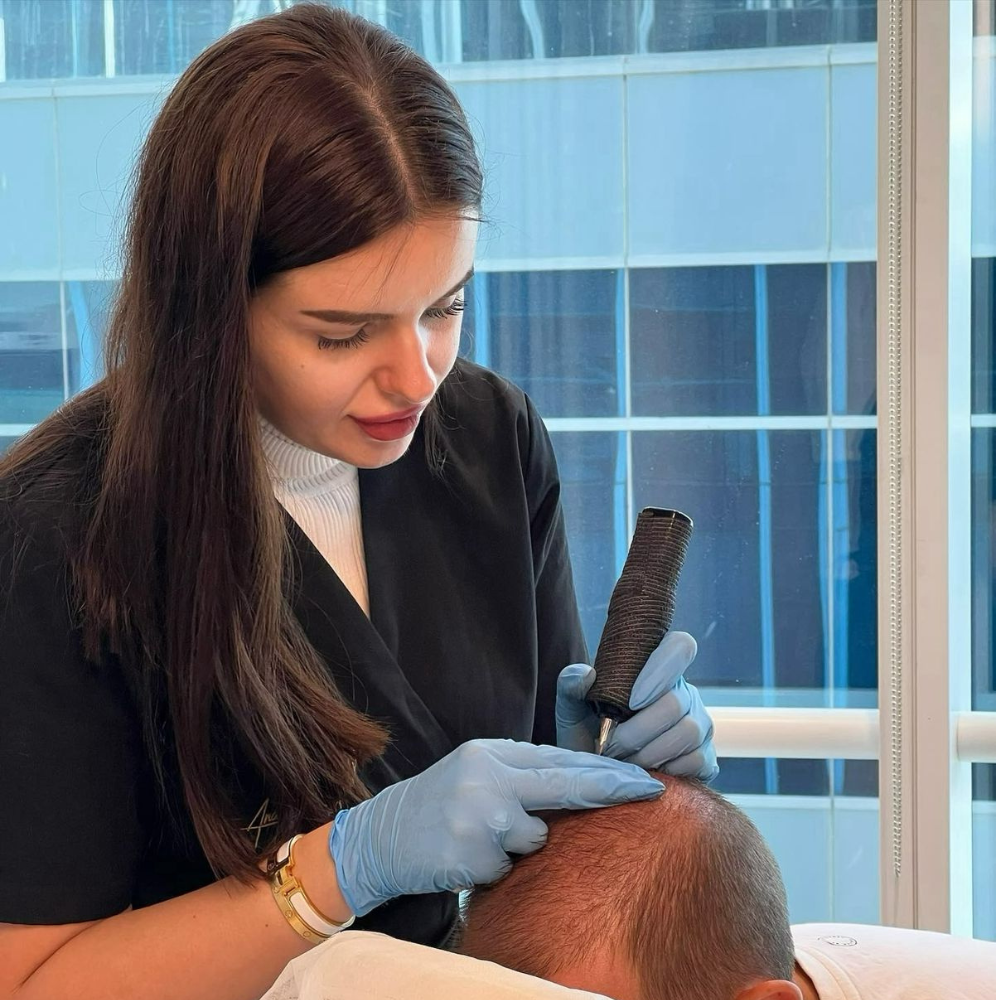 Advanced Loss
For advanced androgenetic alopecia SMP creates the appearance of a defined, natural shaved-head look or adds visual density to thinning areas. Immediate, permanent result.
Learn More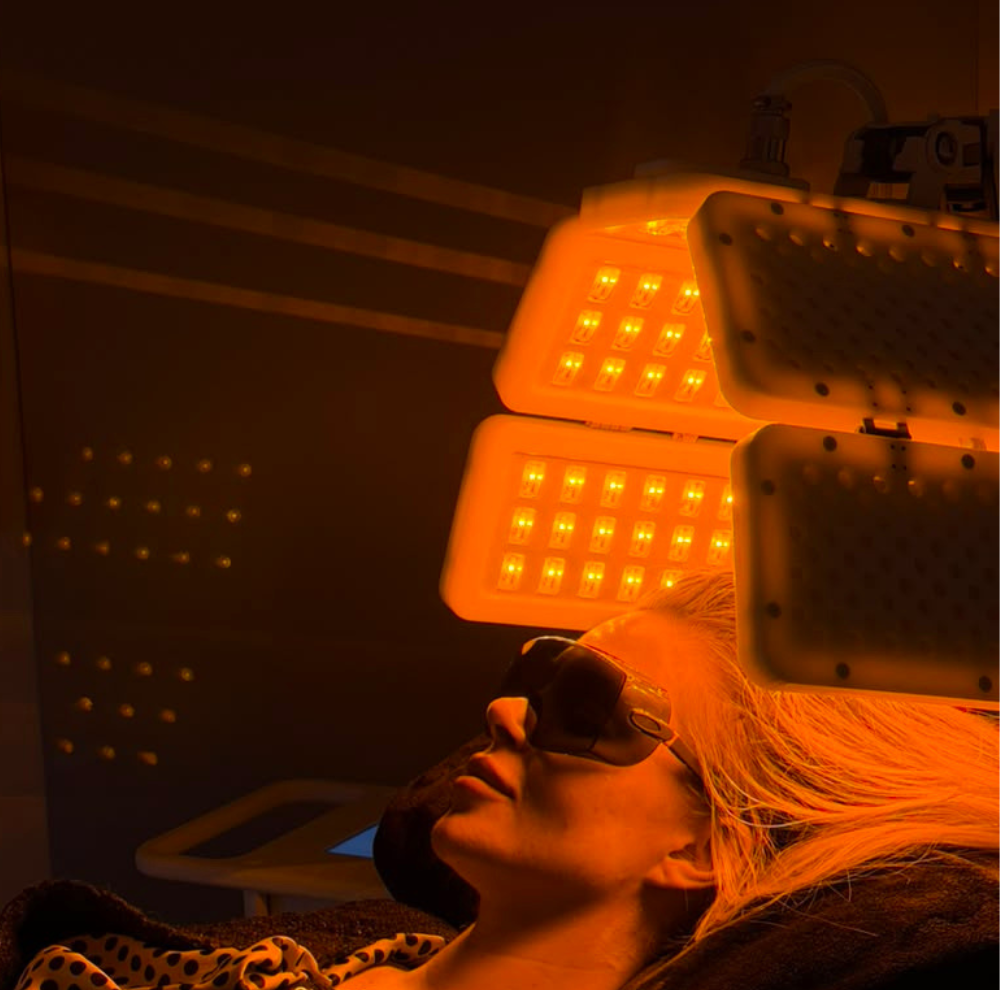 Maintenance
Photobiomodulation stimulates follicular metabolism and may reduce DHT sensitivity. Used as standalone therapy or to extend the results of injectable treatments.
Learn More
What You Can
Realistically Expect
The outcome depends on the stage of loss, the underlying cause, and how early treatment begins. The earlier the intervention, the more significant the result.
- Measurable reduction in shedding within 4–8 weeks of starting treatment
- Visible density improvement in areas of early miniaturisation within 3–6 months
- Halting or significantly slowing further progression with consistent treatment
- For advanced loss SMP delivers an immediate cosmetic result at any stage
Diagnosed accurately,
treated effectively.
A trichology consultation identifies all contributing causes within a single session — and maps a realistic treatment plan from there.