


Hair Thinning &
Miniaturisation
The silent process happening long before hair loss becomes visible. Often the earliest, most actionable sign that something is developing.
Happening Long Before
Hair Loss Becomes Visible
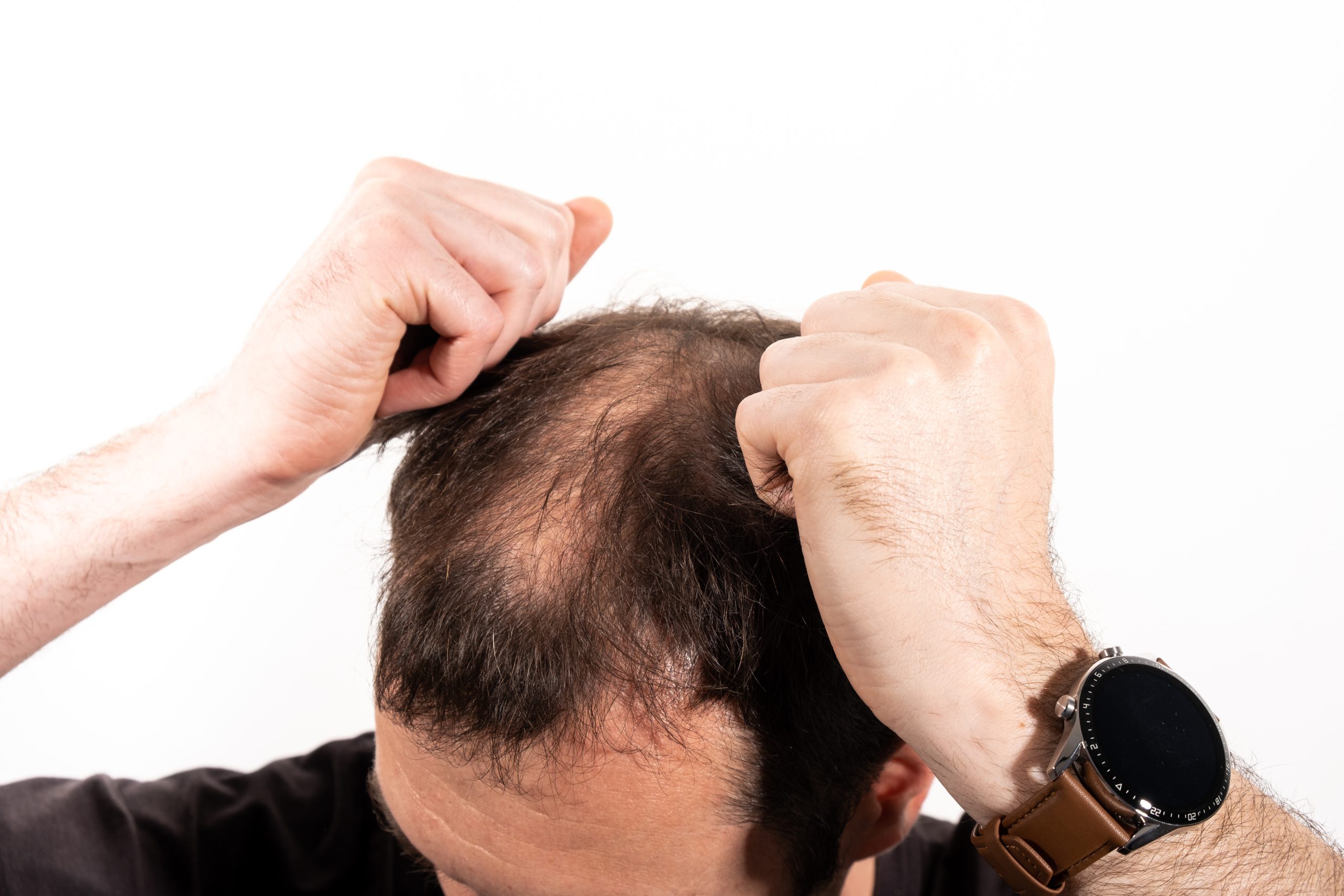
Hair thinning and follicular miniaturisation are often the earliest, most actionable signs that hair loss is developing yet they frequently go unaddressed because they are subtle. Many clients describe a gradual sense that their hair "isn't what it was": less volume, finer texture, reduced coverage, or a ponytail that doesn't feel as thick as it once did. These are not imagined changes. They are the clinical manifestation of follicular miniaturisation a progressive biological process that, left untreated, will continue.
Miniaturisation occurs when hair follicles are exposed to damaging signals most commonly DHT in androgenetic alopecia, but also chronic inflammation, nutritional deficiency, or hormonal imbalance. Each hair growth cycle produces a slightly shorter, finer, less pigmented strand, until eventually the follicle produces only vellus hair or ceases production entirely. Crucially, this process is visible under trichoscopy before it becomes obvious to the naked eye which is why a diagnostic consultation is so valuable at the first signs of thinning.
"The single most important principle in treating miniaturisation is timing. A follicle that is miniaturising is still alive and still capable of recovery. A follicle that has miniaturised for a decade and produced no visible hair for several years may be permanently fibrosed."

Trichoscopy allows us to distinguish between active miniaturisation and permanently fibrosed follicles and advise on realistic treatment expectations accordingly.
The Earliest Indicators
of Miniaturisation
These signs often appear long before any patch or visible bald area recognising them early opens the best treatment window.
Hair feels finer, lighter, or less dense than before often the very first sign clients notice, before any visible reduction in coverage.
Scalp becomes more visible in photographs or bright light a sign that overall density has reduced even if it isn't obvious in the mirror day to day.
Ponytail or bun noticeably thinner in circumference a practical, easily-tracked measure of overall hair volume reduction over time.
Increased hair in the shower drain without obvious patches diffuse shedding that doesn't present as classic pattern loss but still signals follicular distress.
Hair grows more slowly or stops reaching previous lengths miniaturising follicles spend less time in the active growth phase with each cycle.
A general sense that hair "isn't what it was" reduced volume and coverage that's hard to pinpoint but consistently noticeable to the person experiencing it.
How We Diagnose
Miniaturisation
High-Magnification Trichoscopy
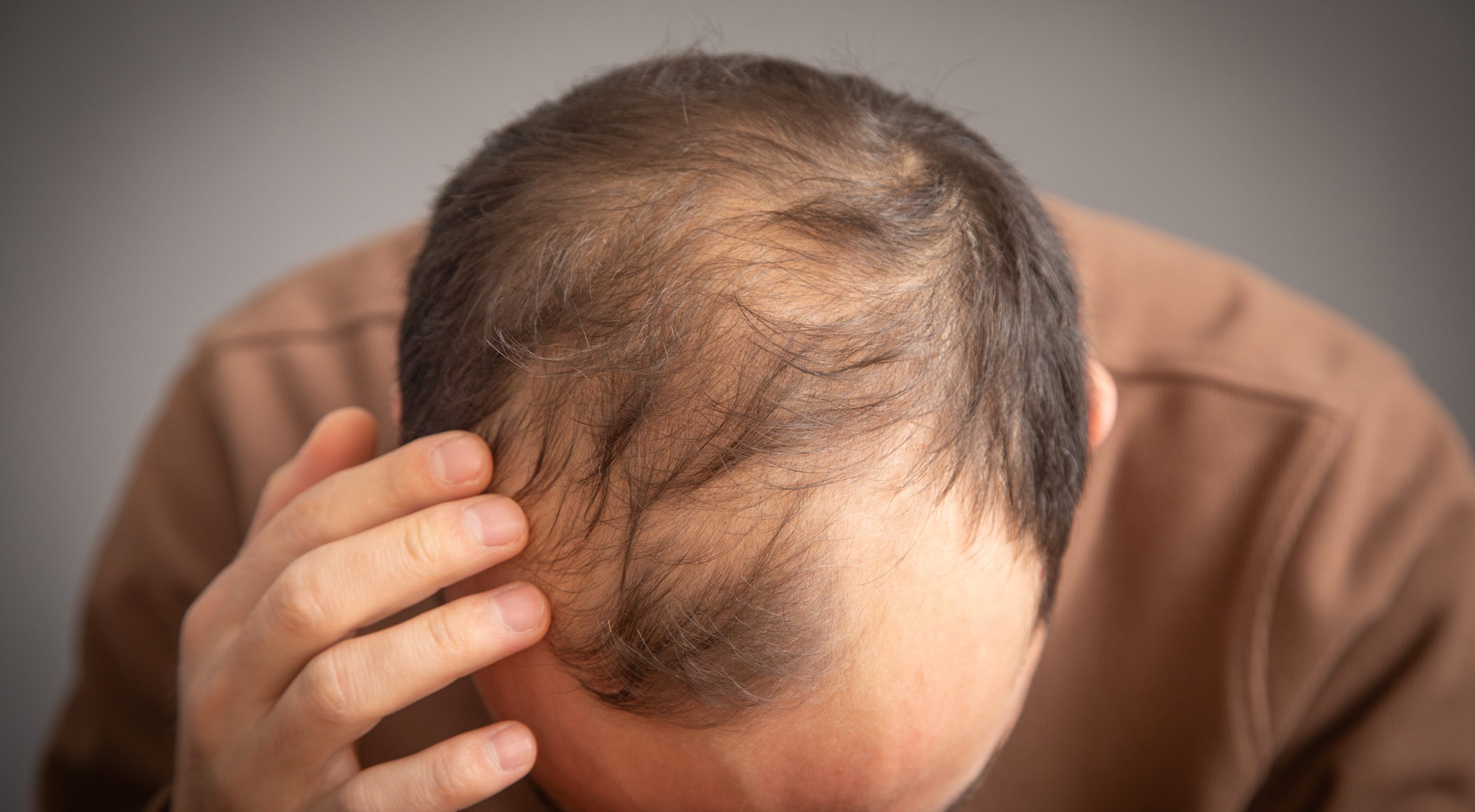
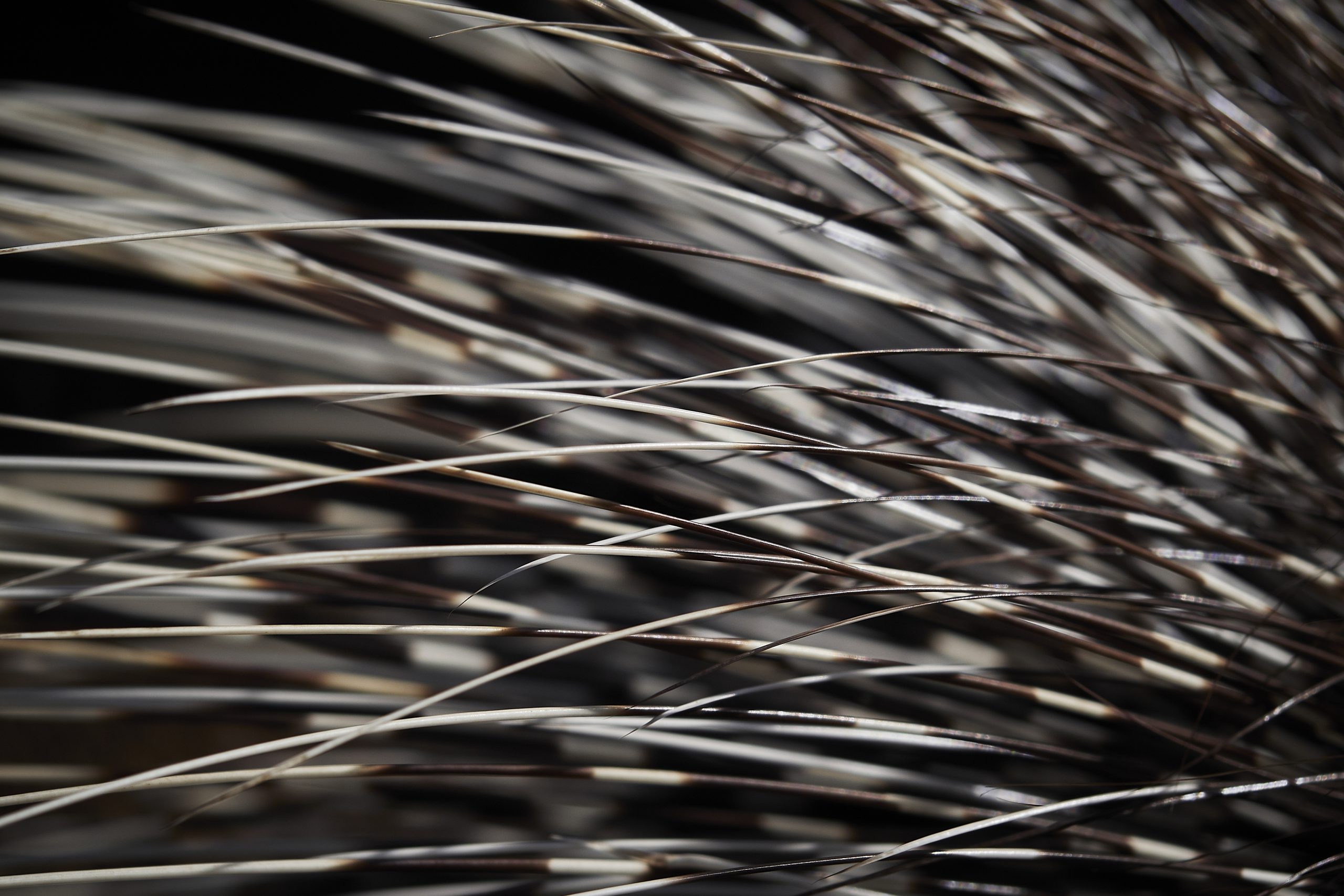
Trichoscopy reveals the degree of miniaturisation present — measuring hair shaft diameter variability, the ratio of terminal to vellus hairs, and follicular density. This single examination distinguishes early, fully reversible miniaturisation from more advanced, harder-to-treat presentations.
- Hair shaft diameter diversity measurement
- Terminal-to-vellus hair ratio assessment
- Identification of active versus dormant miniaturisation

Underlying Cause Identification
Since miniaturisation can stem from DHT, inflammation, nutritional deficiency, or hormonal imbalance, identifying the specific driver is essential to designing the right protocol. A personalised multi-modal treatment plan follows directly from this combined clinical picture.
- Medical history and lifestyle assessment
- Blood panel referral when hormonal or nutritional factors suspected
- Baseline trichoscopy record for tracking treatment response
How We Treat
Hair Thinning and Miniaturisation
The most effective protocols combine multiple biological approaches each targeting a different aspect of the condition.
 First Line
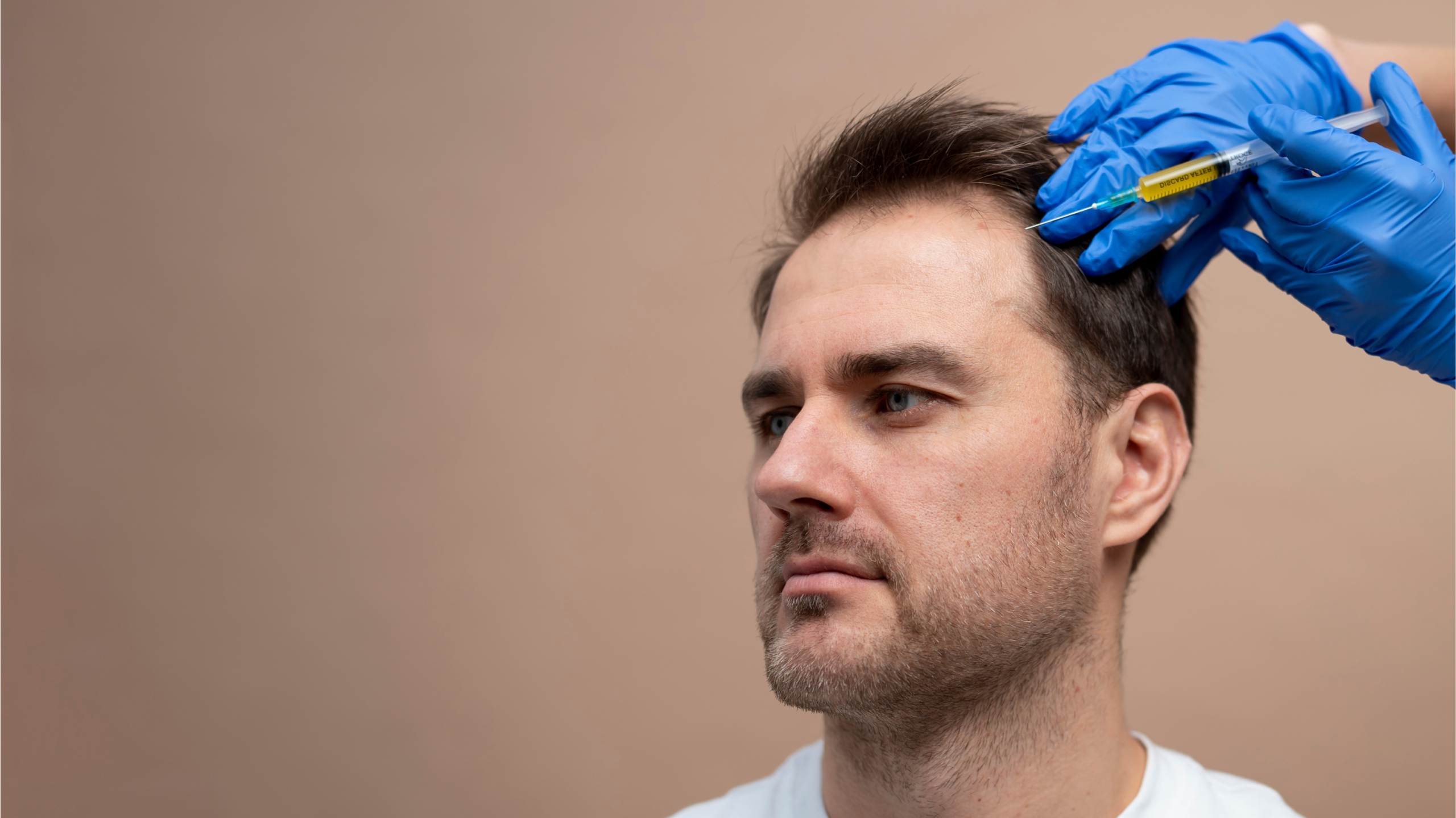
Concentrated growth factors from your own blood stimulate miniaturising follicles and improve scalp microcirculation. Most effective at early to moderate stages.
Learn More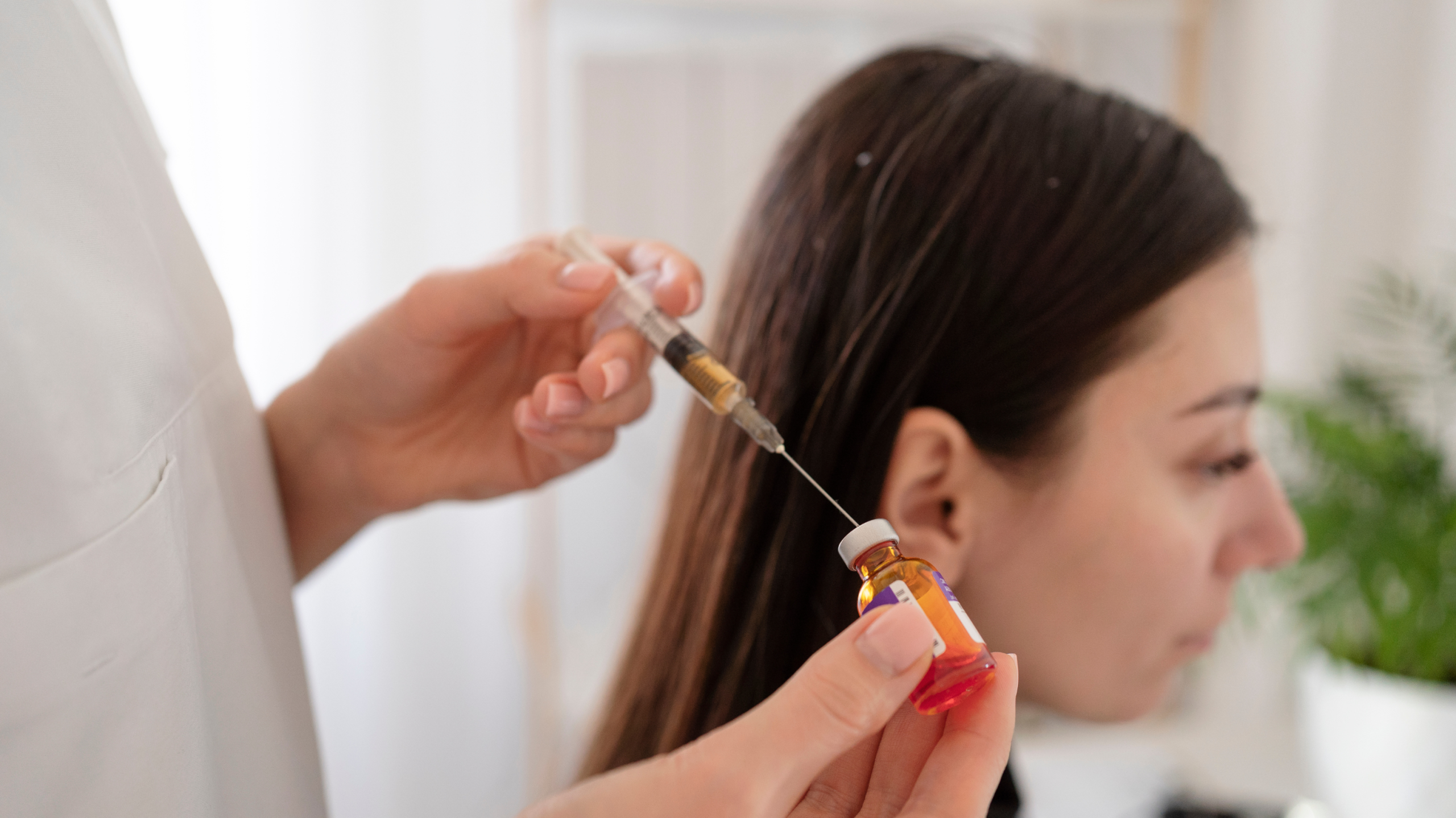 Advanced Cases
10 billion exosomes deliver targeted regenerative signals directly to follicular cells. 70–90% clinical success rate. Ideal for moderate to advanced cases or PRP non-responders.
Learn More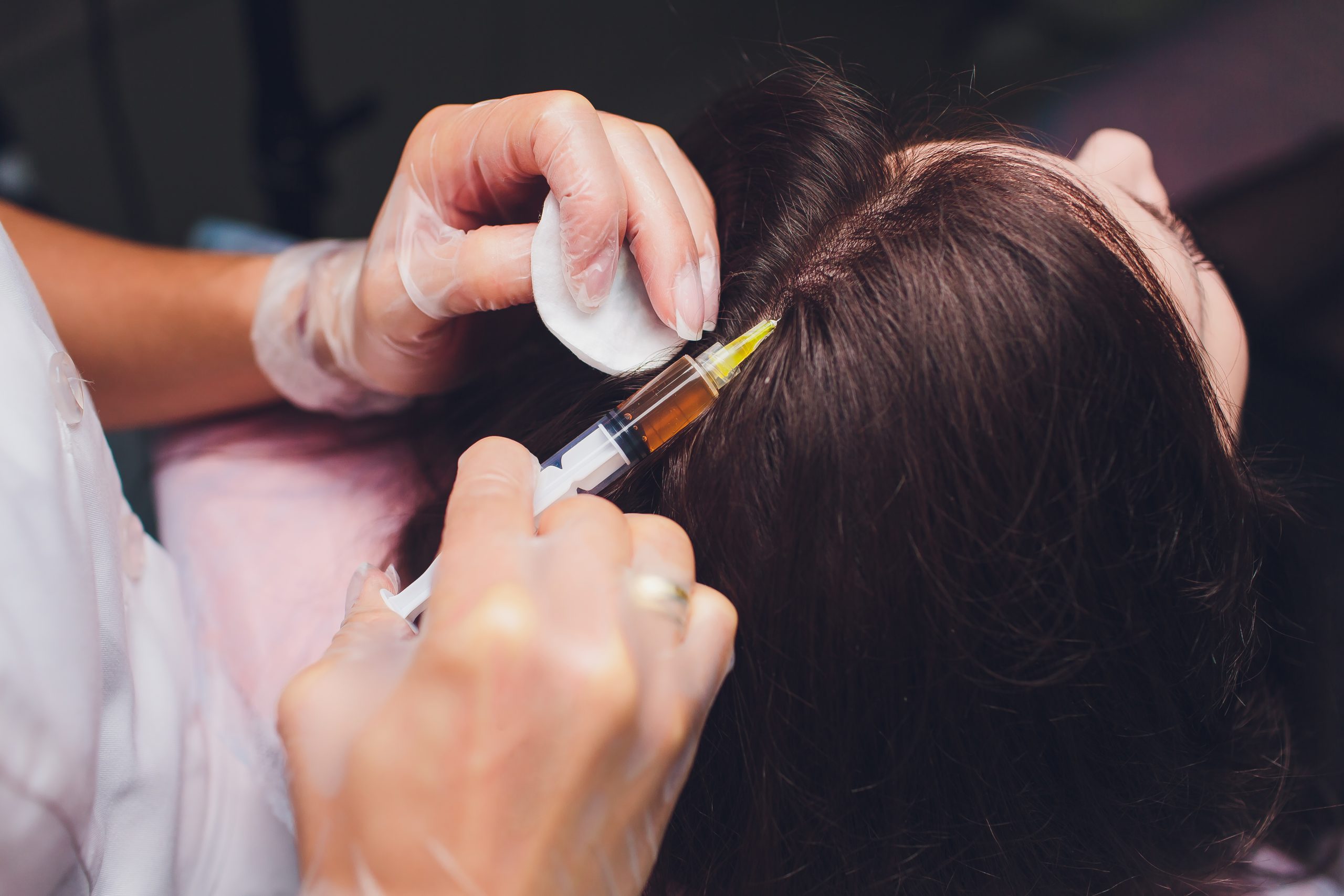 Adjunct
Bioactive peptides and growth factors delivered into the perifollicular layer nourishing miniaturising follicles and complementing PRP or exosome protocols.
Learn More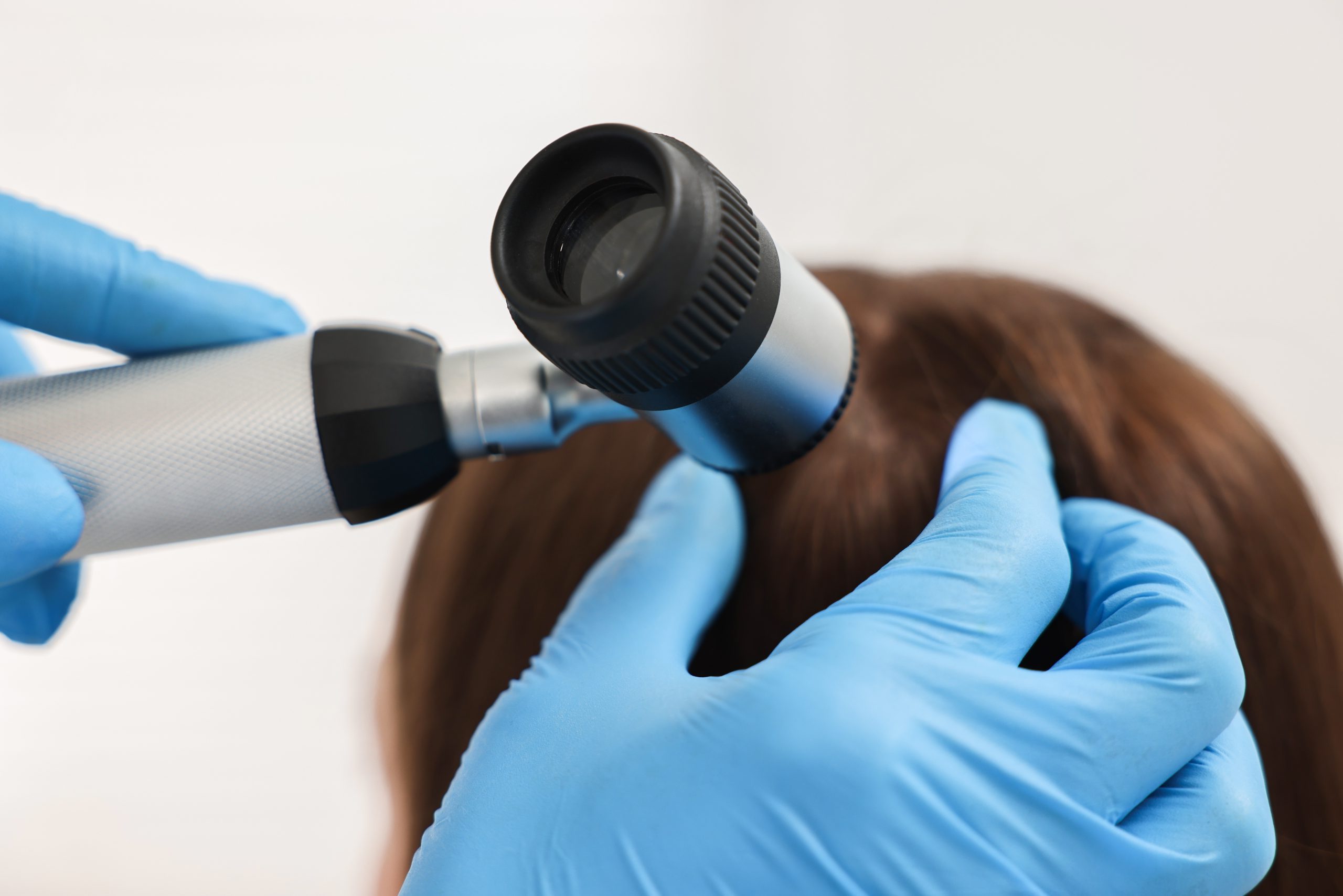 Maintenance
Photobiomodulation stimulates follicular metabolism and may reduce DHT sensitivity. Used as standalone therapy or to extend the results of injectable treatments.
Learn More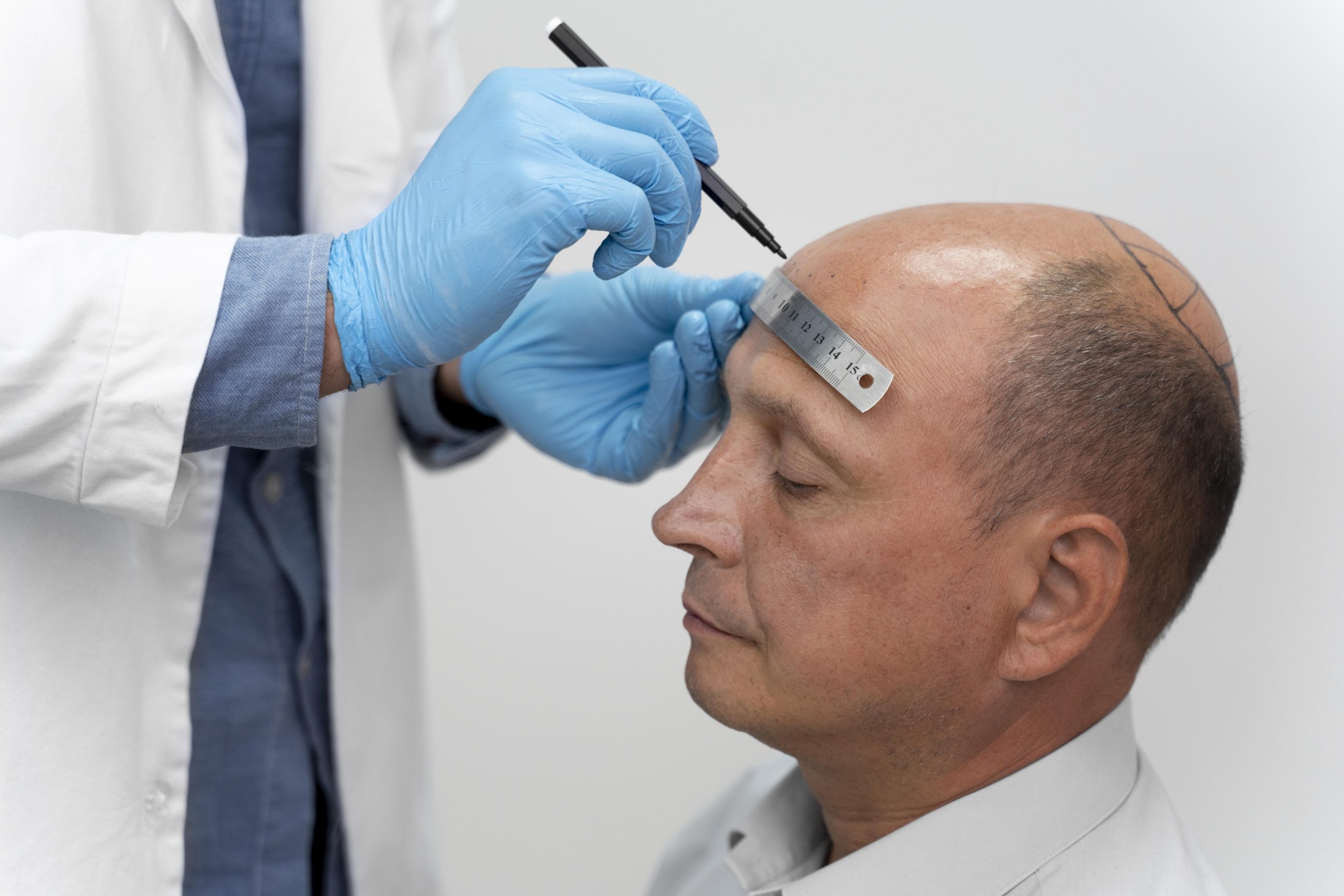 Advanced Loss
For advanced androgenetic alopecia SMP creates the appearance of a defined, natural shaved-head look or adds visual density to thinning areas. Immediate, permanent result.
Learn More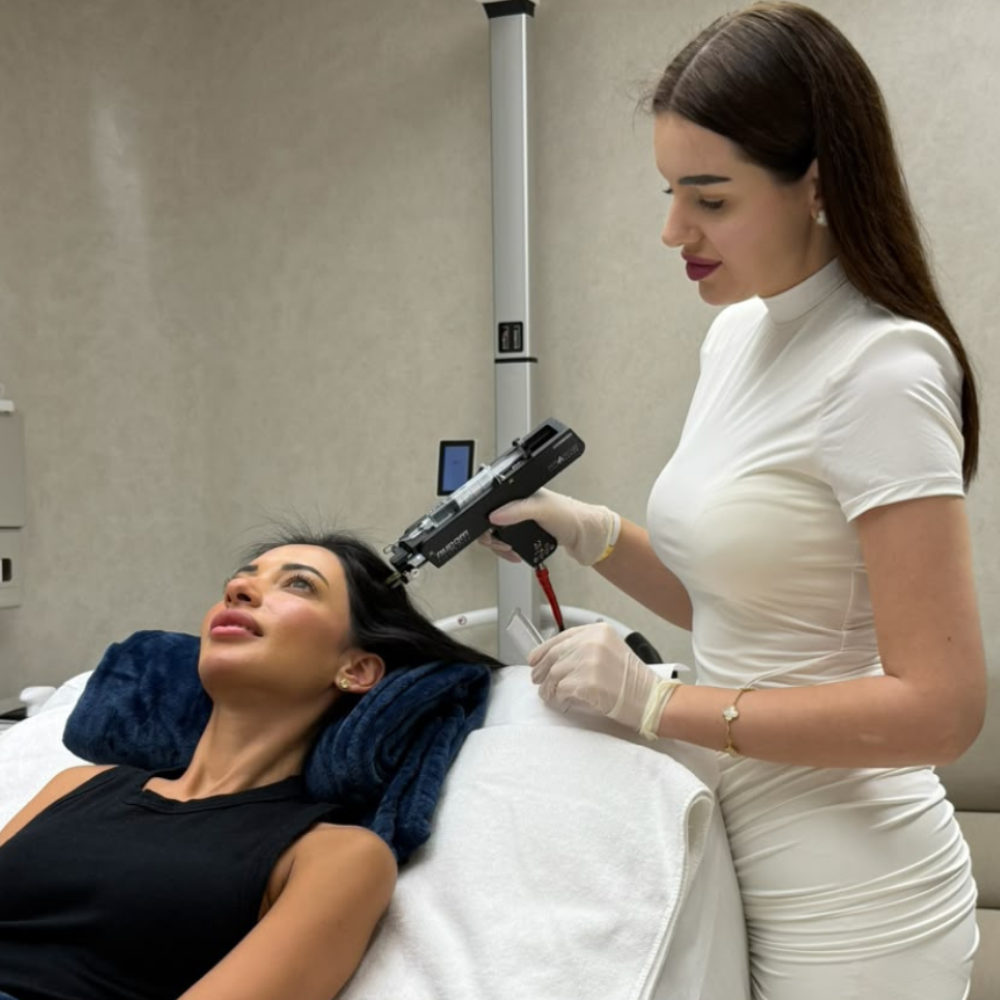 Maintenance
Photobiomodulation stimulates follicular metabolism and may reduce DHT sensitivity. Used as standalone therapy or to extend the results of injectable treatments.
Learn More
What You Can
Realistically Expect
Of all hair loss presentations we treat, early-stage miniaturisation offers the most favourable prognosis provided treatment begins while follicles remain active.
- High reversibility when treatment begins while follicles are still actively miniaturising
- Meaningful regrowth of thicker, more robust terminal hair in many cases
- Long-dormant follicles that have produced no hair for years may be permanently fibrosed
- Trichoscopy distinguishes recoverable from non-recoverable follicles setting honest expectations from day one
Catch it while
follicles are still active.
Even subtle changes deserve a clinical look. Trichoscopy reveals the real picture and the best window to act.