


Alopecia Areata
Treatment in Dubai
When the immune system misidentifies hair follicles as a threat. An autoimmune condition that can affect anyone, at any age, regardless of sex or family history.
An Autoimmune Condition,
Not a Hormonal One
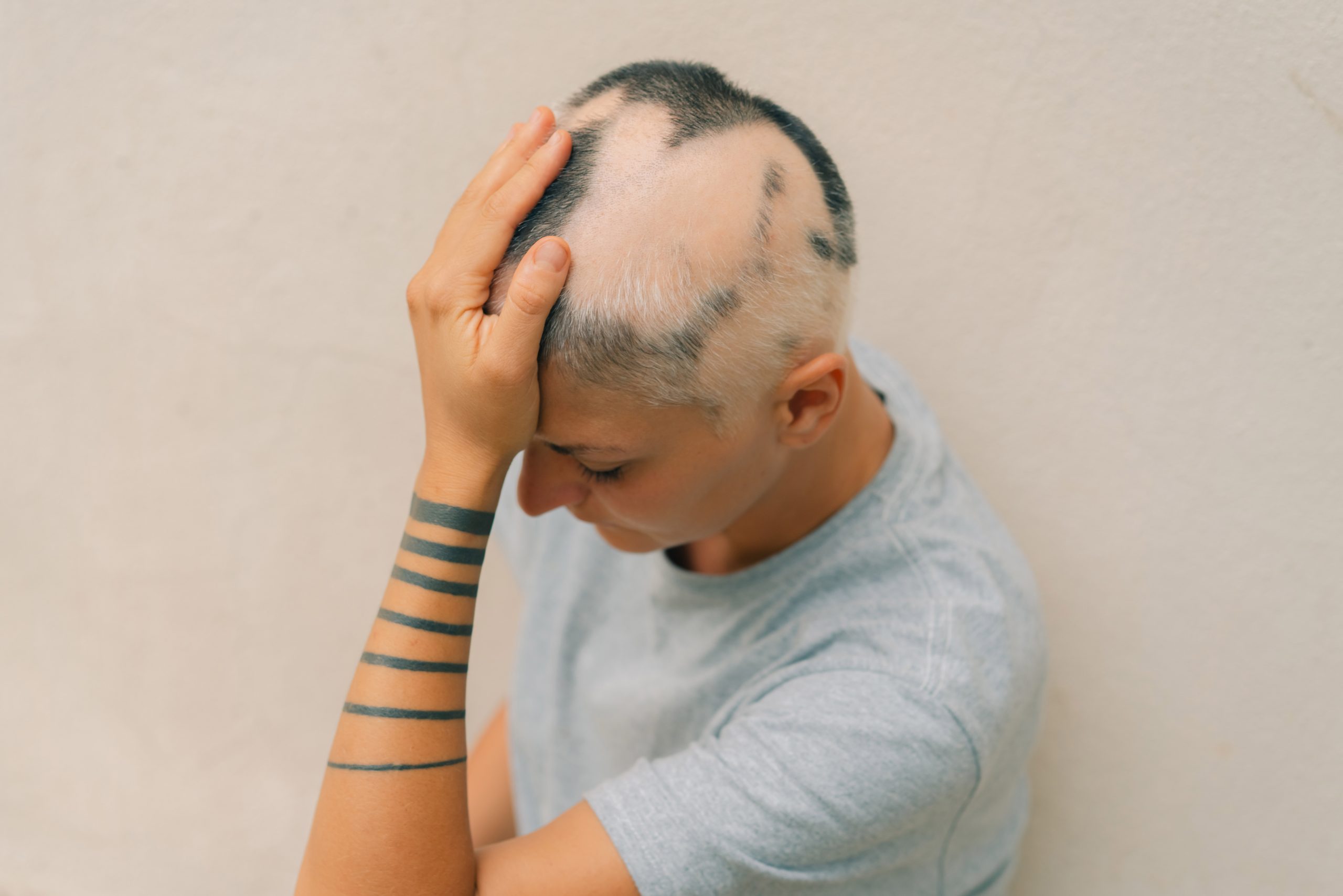
Alopecia areata is an autoimmune condition in which the body's immune system mistakenly targets its own hair follicles, causing them to enter a prolonged resting phase and stop producing hair. Unlike androgenetic alopecia, which is driven by hormones, alopecia areata is immune-mediated and it can affect anyone, at any age, regardless of sex or family history, though genetic predisposition does play a role.
It typically presents as one or more smooth, circular or oval patches of hair loss on the scalp, though it can affect any hair-bearing area of the body. In most cases the patches are sudden and unexpected clients describe noticing them in the mirror or being told by a hairdresser. The condition can remain localised to a few patches, progress to complete scalp hair loss (alopecia totalis), or in rare cases affect hair across the entire body (alopecia universalis). Stress is a well-documented trigger for flares, though it does not cause the condition itself.
"Because alopecia areata involves immune dysregulation rather than follicular damage, the follicles themselves remain alive beneath the surface which is why spontaneous regrowth does occur in many cases."
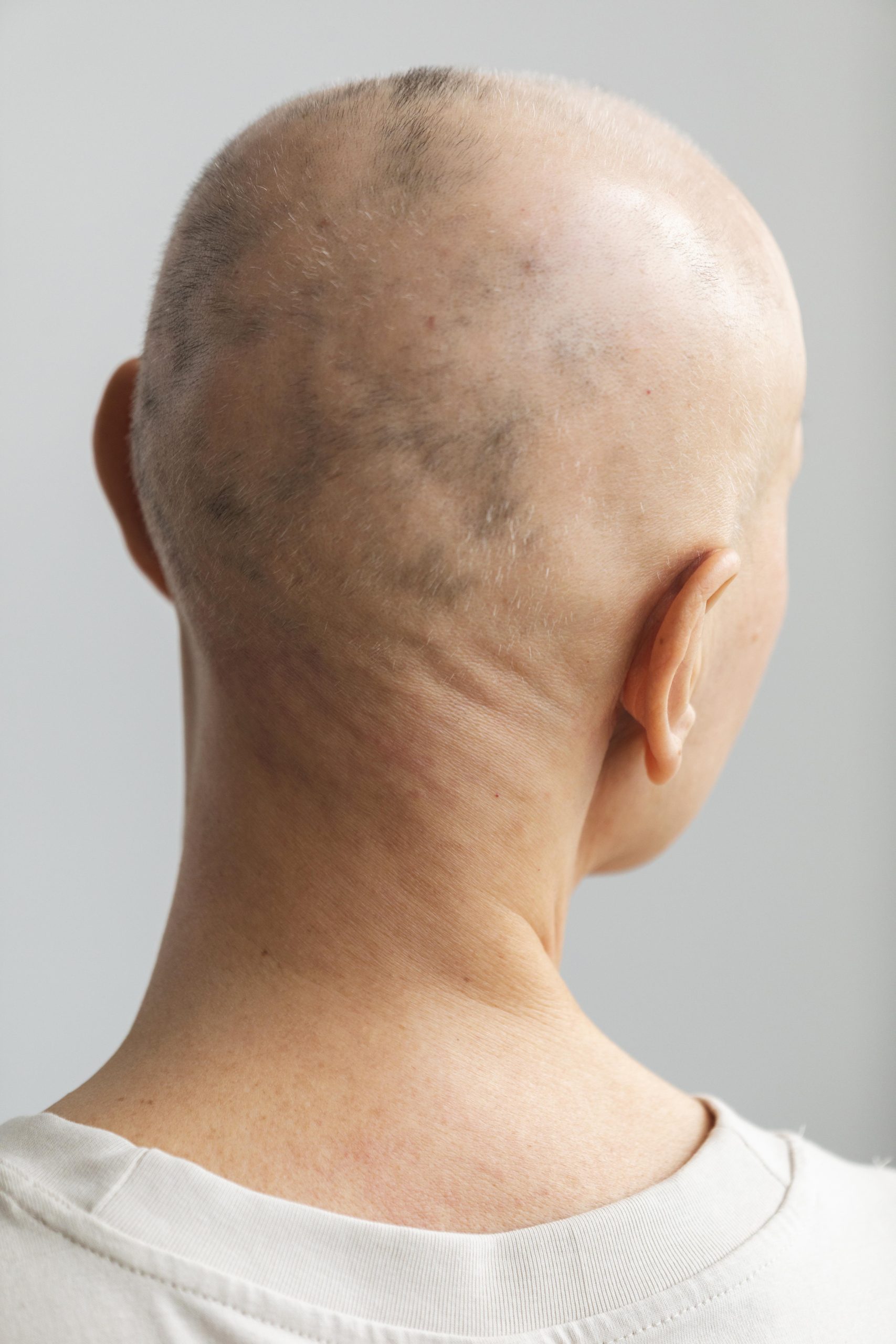
Inflammation management is central to the treatment approach, alongside regenerative therapies that support follicular re-entry into the growth phase.
What to Watch For
Trichoscopy reveals specific signs that confirm the diagnosis and distinguish alopecia areata from other forms of hair loss.
Sudden, well-defined circular patches of hair loss — typically smooth and round, appearing without warning and often noticed by others before the patient themselves.
Exclamation mark hairs at patch borders — short, broken hairs that taper toward the scalp, a classic and diagnostic clinical sign of active disease.
Yellow dots visible under trichoscopy at follicular openings — a specific marker that helps confirm diagnosis and distinguish from other causes of patchy loss.
Tingling, itching, or mild tenderness before patches appear — some clients notice sensory changes in the area shortly before hair loss becomes visible.
Nail pitting or ridging in some cases — alopecia areata can sometimes affect the nails, a useful additional diagnostic clue in clinical assessment.
The condition can recur in cycles patches may regrow fully then reappear elsewhere, which is why ongoing monitoring matters even after recovery.
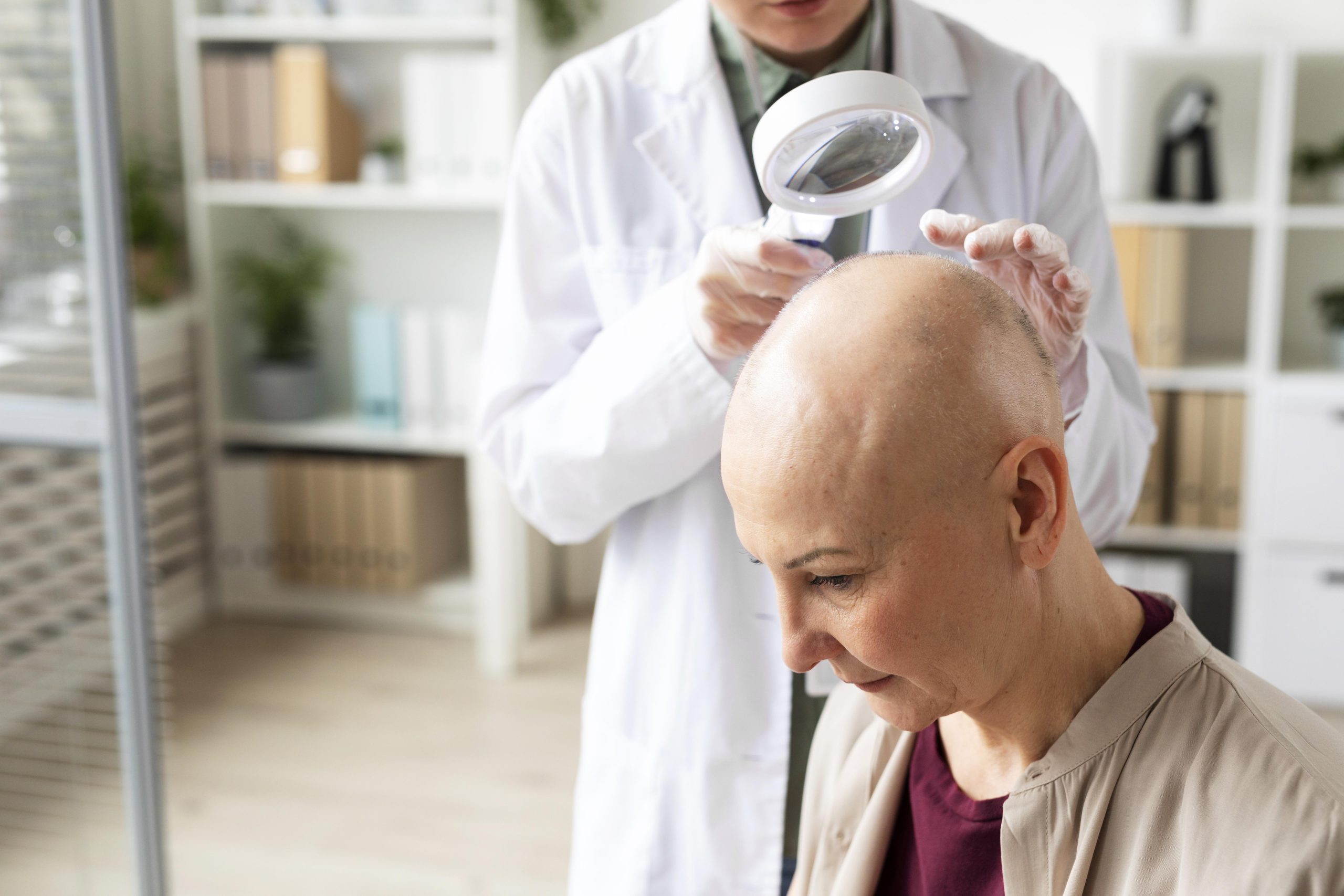
How We Diagnose
Alopecia Areata
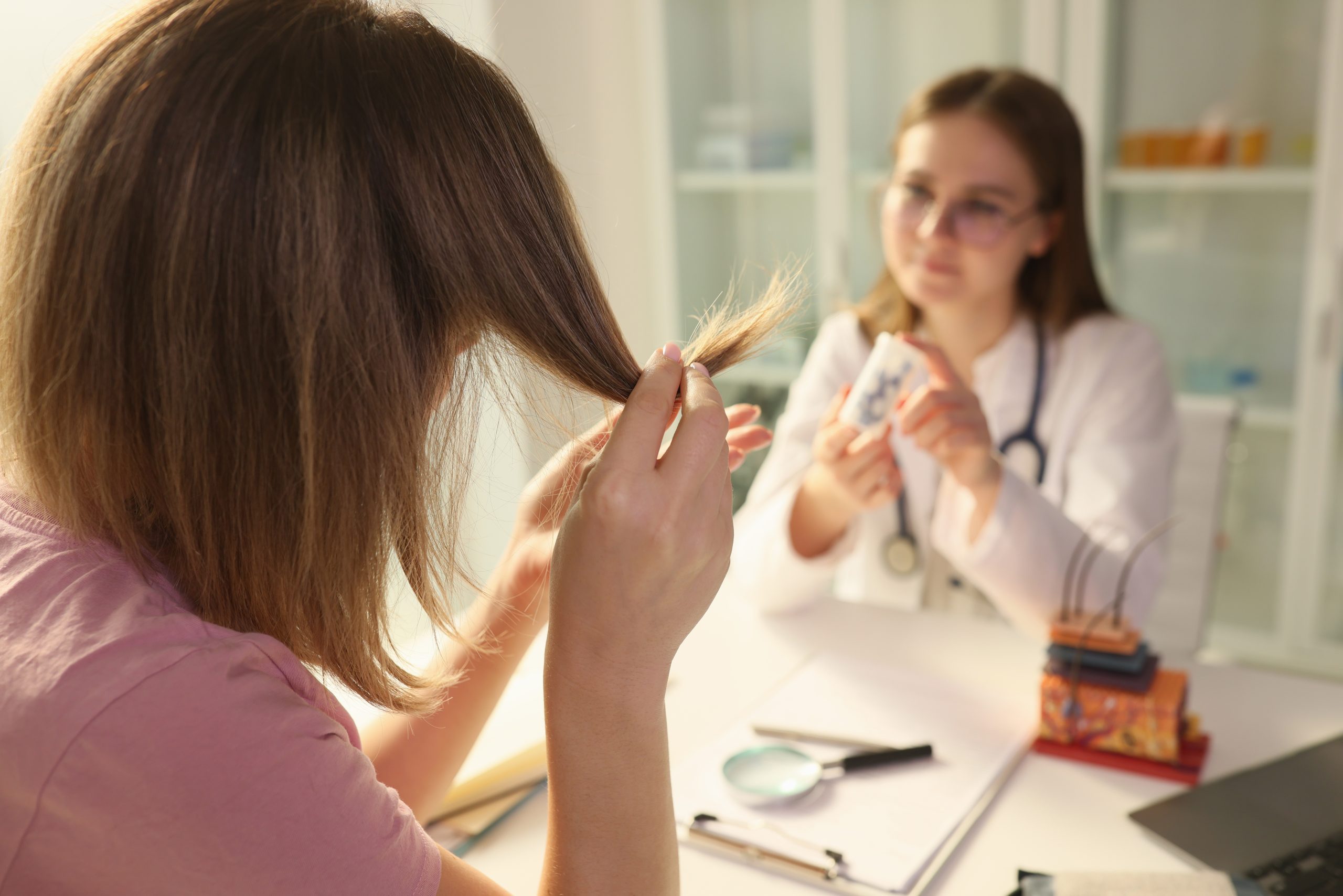
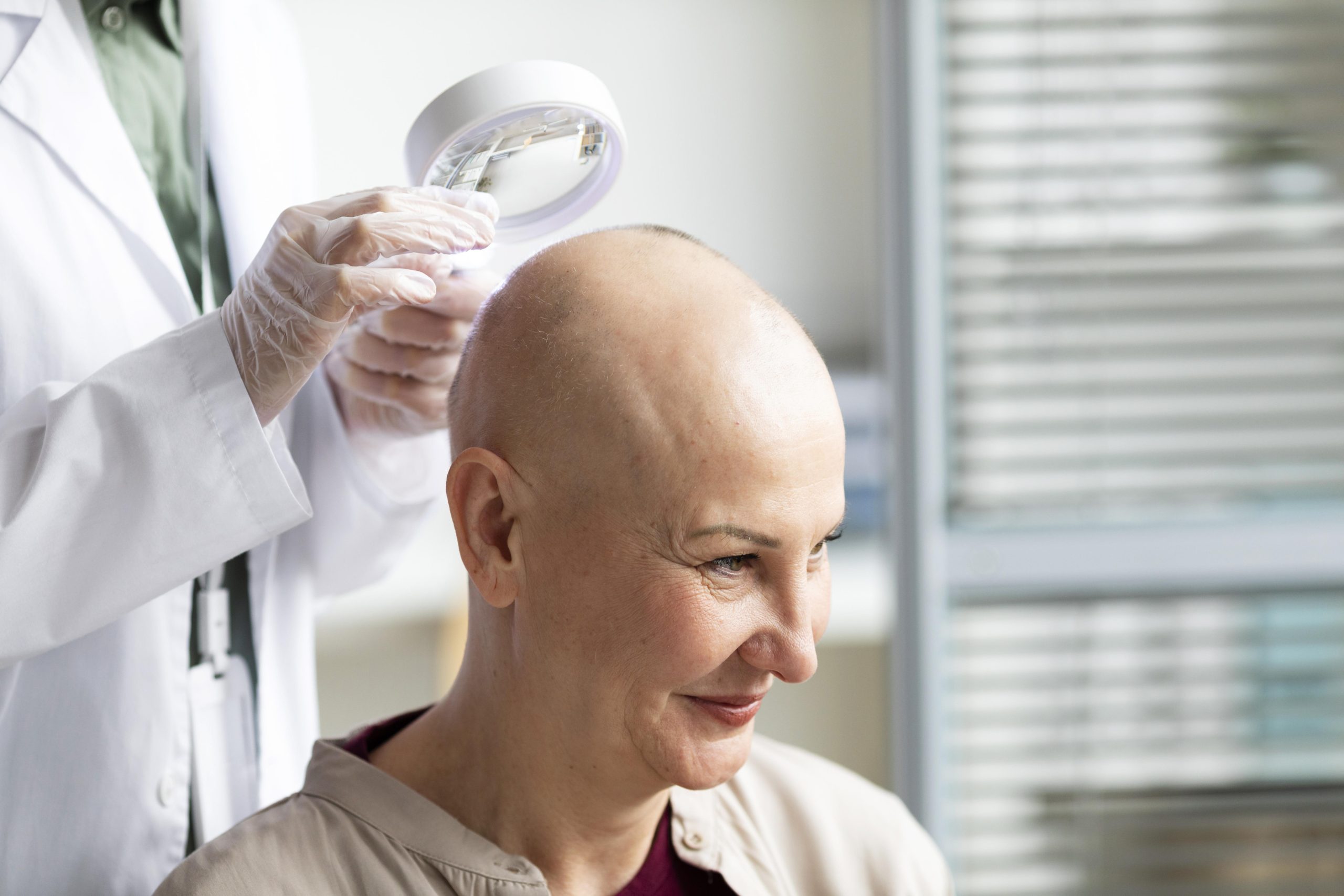
Trichoscopy Examination
High-magnification trichoscopy confirms the diagnosis by identifying exclamation mark hairs, yellow dots at follicular openings, and black dots representing broken hair shafts at the scalp surface together forming a clear clinical picture distinct from other hair loss types.
- Identification of exclamation mark hairs and yellow dots
- Assessment of patch number, size, and distribution
- Classification: patchy, totalis, or universalis presentation
Medical History & Systemic Review
A review of personal and family autoimmune history, recent stress triggers, and any associated nail changes. Where the presentation is extensive or rapidly progressing, referral for systemic treatment alongside our regenerative protocols may be recommended.
- Personal and family history of autoimmune conditions
- Assessment of disease activity and progression rate
- Referral for systemic treatment when clinically indicated
How We Treat
Androgenetic Alopecia
The most effective protocols combine multiple biological approaches each targeting a different aspect of the condition.
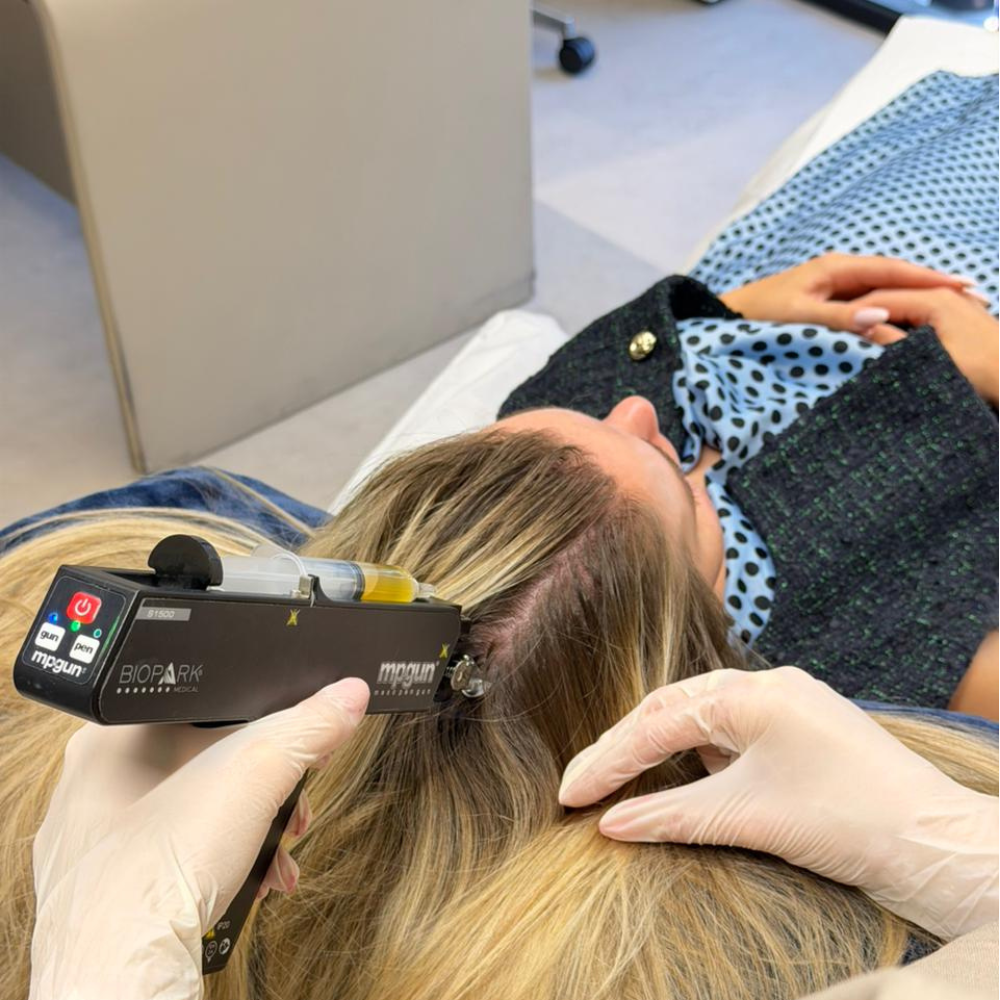 First Line
Concentrated growth factors from your own blood stimulate miniaturising follicles and improve scalp microcirculation. Most effective at early to moderate stages.
Learn More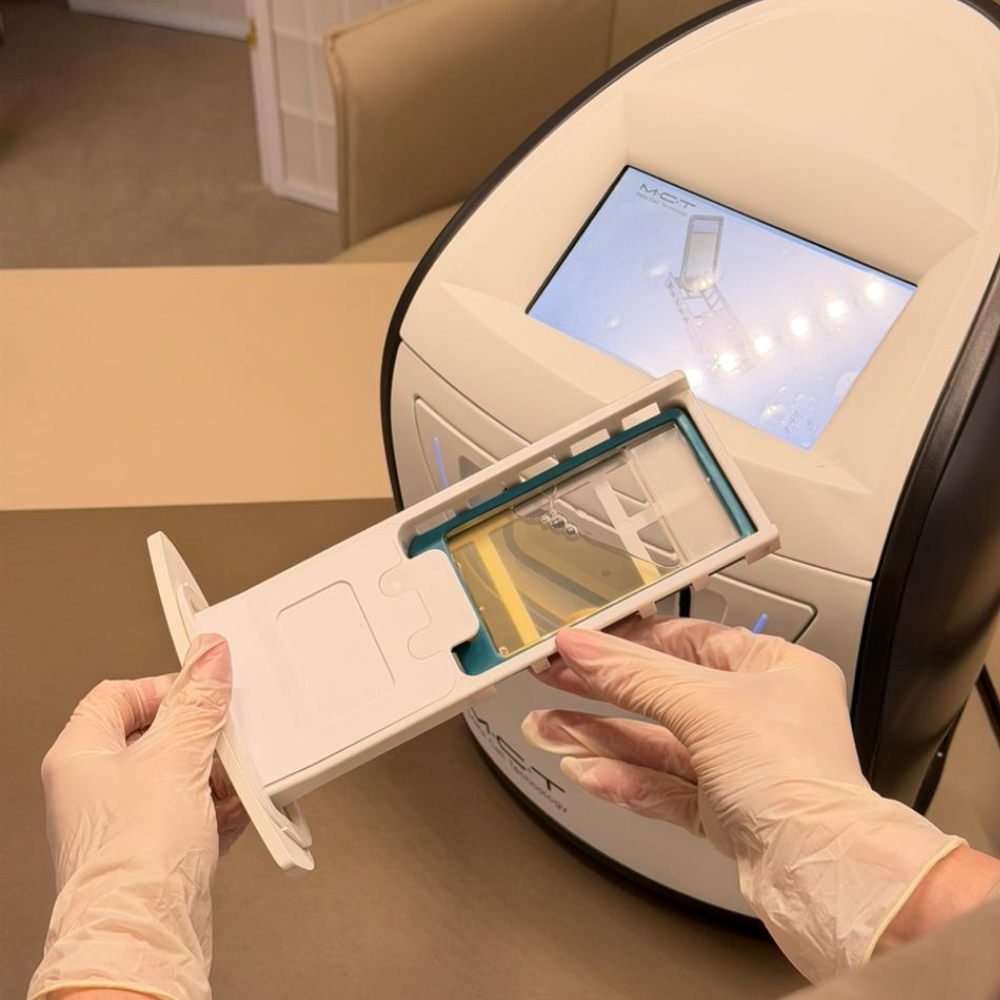 Advanced Cases
10 billion exosomes deliver targeted regenerative signals directly to follicular cells. 70–90% clinical success rate. Ideal for moderate to advanced cases or PRP non-responders.
Learn More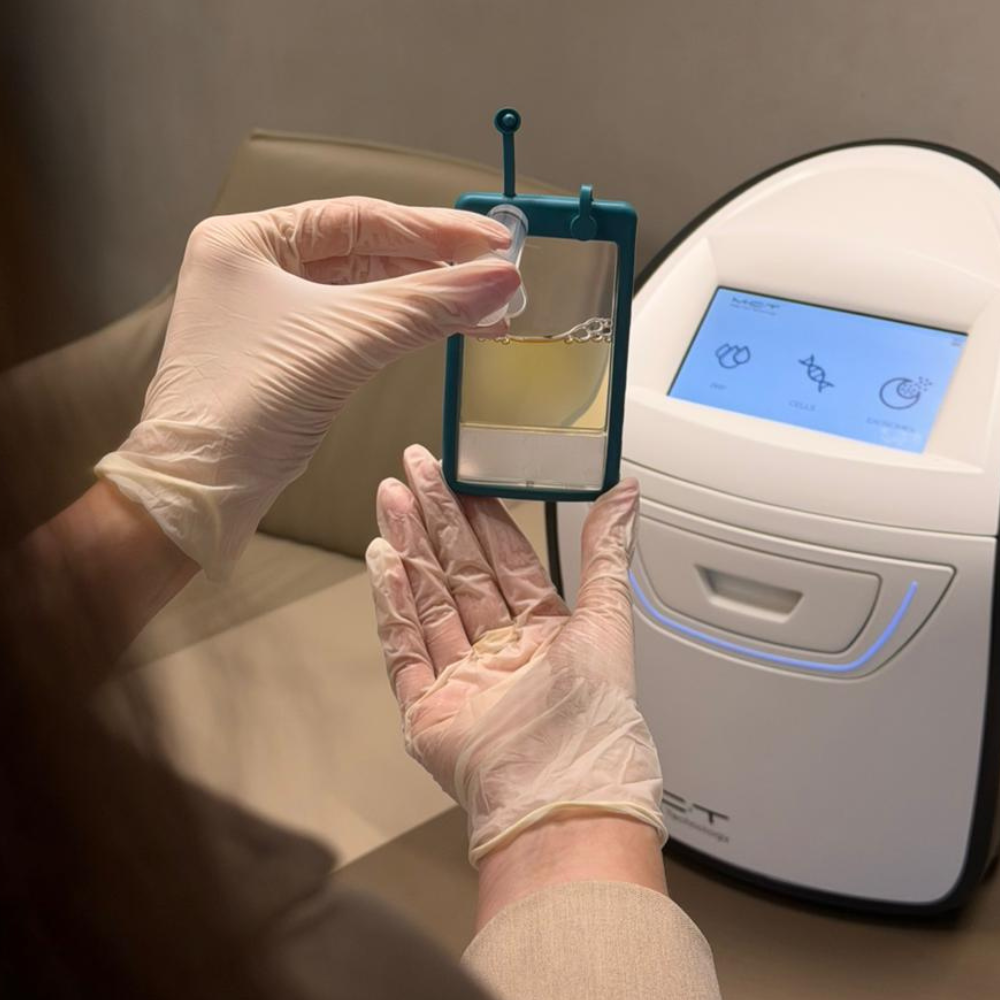 Adjunct
Bioactive peptides and growth factors delivered into the perifollicular layer nourishing miniaturising follicles and complementing PRP or exosome protocols.
Learn More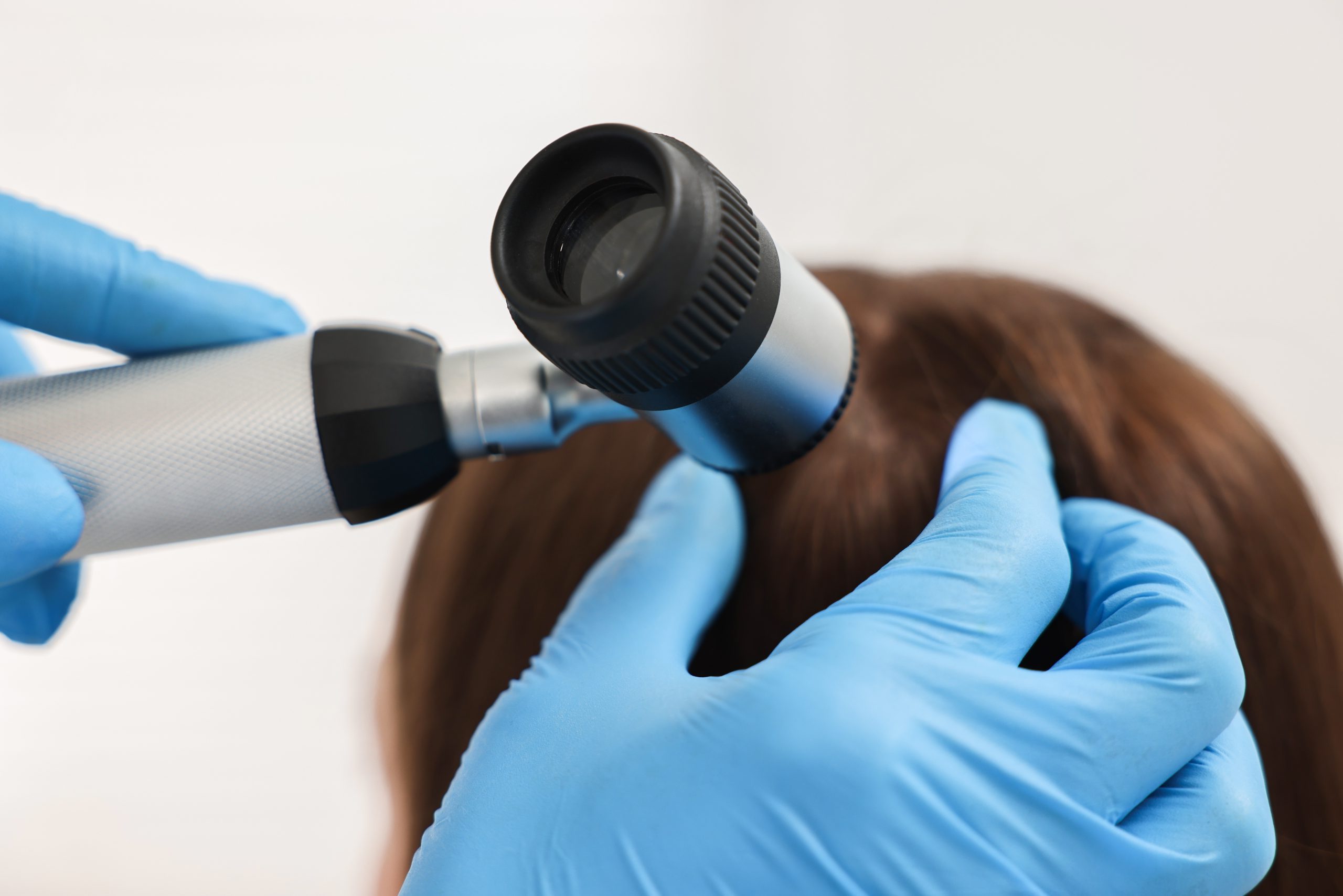 Maintenance
Photobiomodulation stimulates follicular metabolism and may reduce DHT sensitivity. Used as standalone therapy or to extend the results of injectable treatments.
Learn More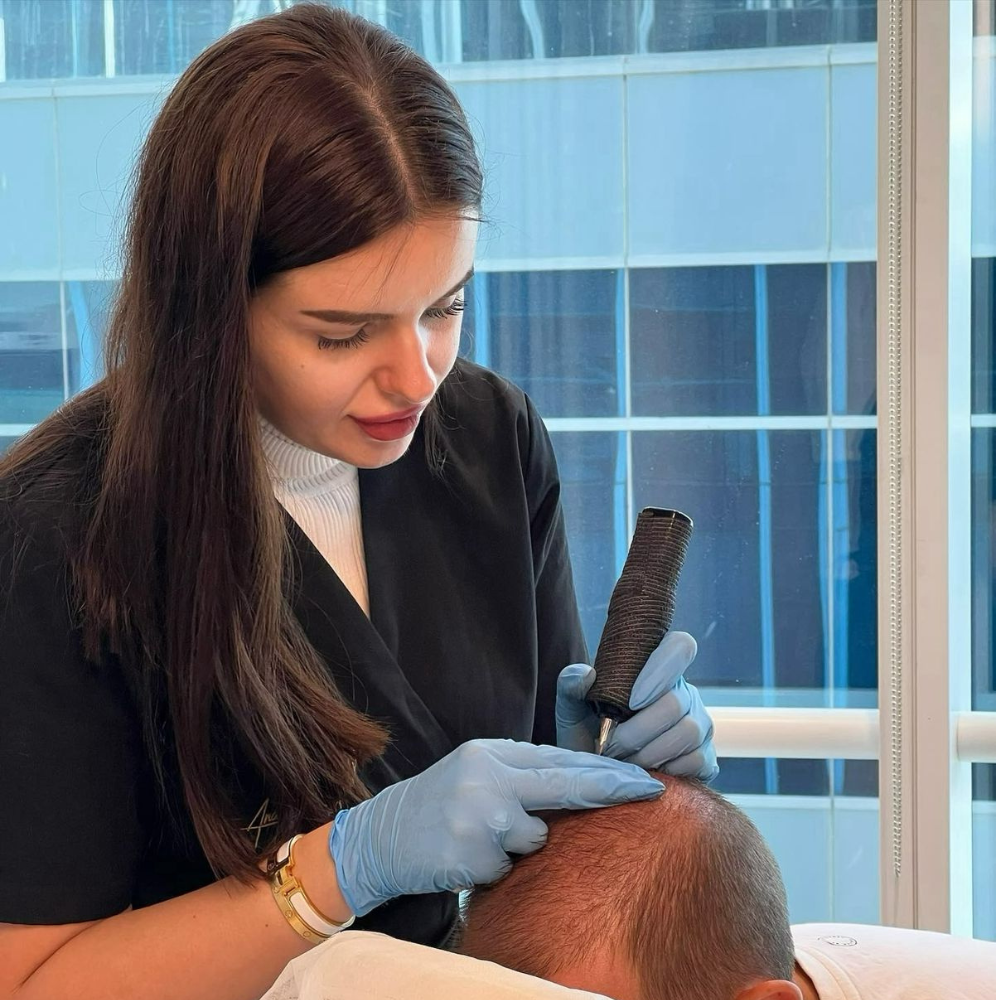 Advanced Loss
For advanced androgenetic alopecia SMP creates the appearance of a defined, natural shaved-head look or adds visual density to thinning areas. Immediate, permanent result.
Learn More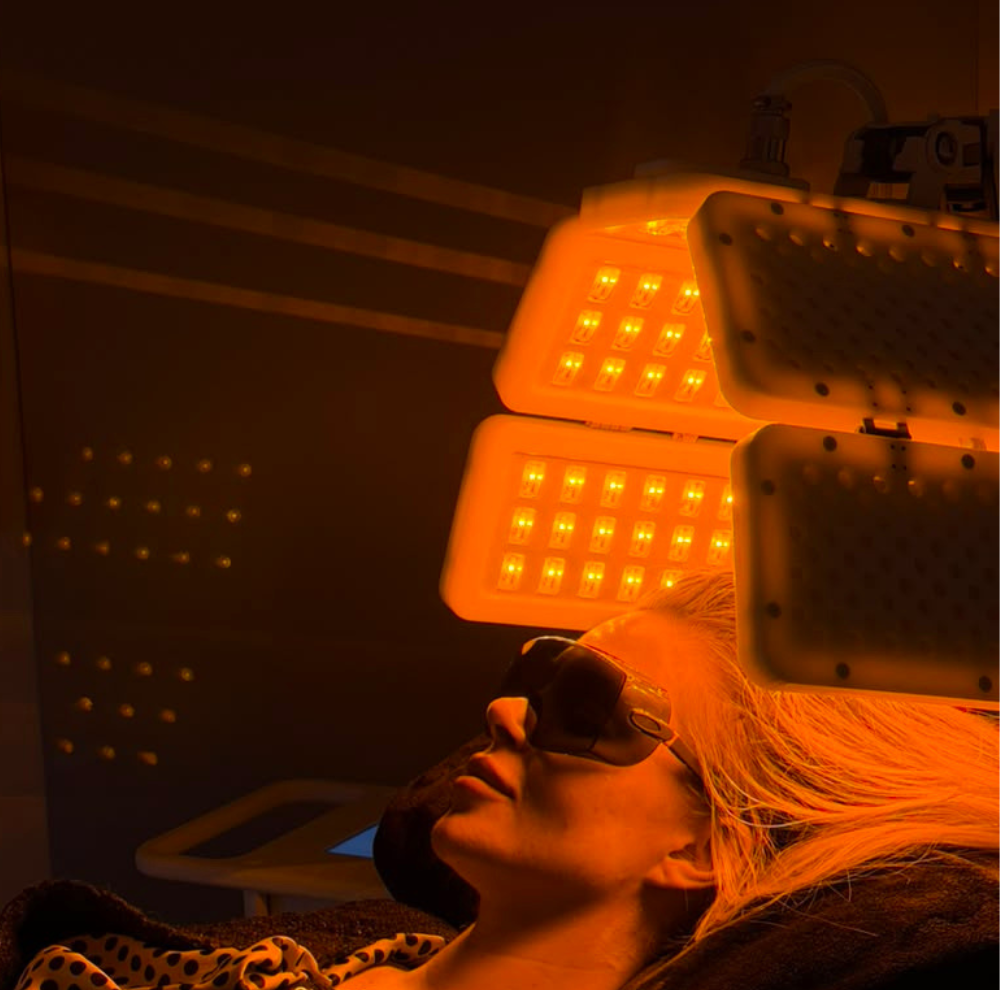 Maintenance
Photobiomodulation stimulates follicular metabolism and may reduce DHT sensitivity. Used as standalone therapy or to extend the results of injectable treatments.
Learn More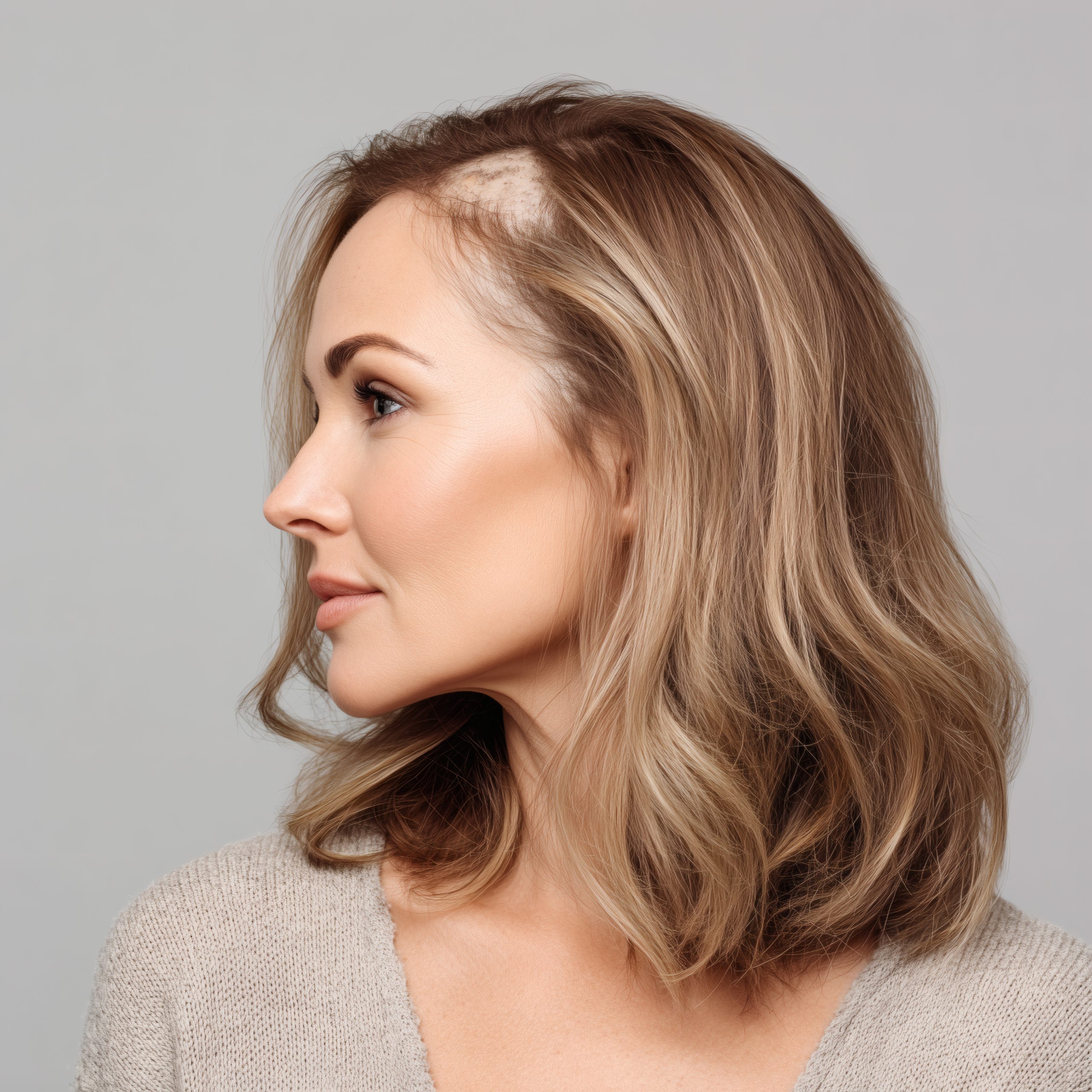
What You Can
Realistically Expect
Because the follicles remain alive beneath the surface, alopecia areata carries a genuinely hopeful prognosis for many patients — particularly with localised patches.
- Spontaneous regrowth occurs in many cases, even without treatment
- Treatment that modulates immune response can accelerate and improve regrowth outcomes
- Recurrence is possible and being monitored for early signs helps manage future flares
- More extensive presentations (totalis/universalis) may require systemic treatment alongside scalp-focused therapy
An autoimmune condition
deserves an expert eye.
A clinical trichoscopy assessment confirms diagnosis, rules out other causes, and maps the most effective treatment approach for your specific presentation.